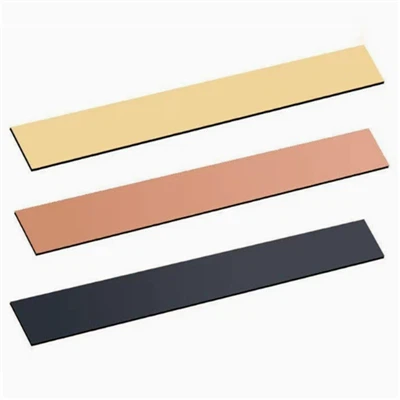

Hey there! As a supplier of Plywood ABS Edging, I've had my fair share of experiences with storing this stuff. And let me tell you, finding the best way to store unused Plywood ABS Edging is super important. Not only does it keep the product in good condition, but it also saves you money in the long run. So, let's dive into what I think are the top methods for storing this edging.


Why Proper Storage Matters
First off, why is proper storage such a big deal? Well, Plywood ABS Edging is sensitive to a bunch of environmental factors. If it's not stored correctly, it can warp, crack, or lose its adhesive properties. That means it won't look good when you use it, and it might not even stick properly. And as a supplier, I know that customers expect high - quality products. So, keeping the edging in top shape is crucial for our business.
Temperature and Humidity Control
One of the most important things to consider when storing Plywood ABS Edging is the temperature and humidity of the storage area. ABS is a thermoplastic, which means it can change its shape when exposed to extreme temperatures. High temperatures can make the edging soft and pliable, while low temperatures can make it brittle.
I recommend storing the edging in a climate - controlled environment. A temperature range of around 60 - 75°F (15 - 24°C) is ideal. And the relative humidity should be kept between 40 - 60%. You can use a thermometer and a hygrometer to monitor these conditions. If you don't have a climate - controlled storage space, you can use a dehumidifier in humid areas or a heater in cold areas to keep the conditions stable.
Protecting from Light
Another factor that can affect Plywood ABS Edging is light. Prolonged exposure to sunlight or strong artificial light can cause the edging to fade and lose its color. To prevent this, store the edging in a dark place. If you're using a storage rack, cover the edging with a light - blocking material like a tarp or a thick cloth.
Keeping it Clean and Dust - Free
Dust and dirt can accumulate on the surface of the edging, which can affect its appearance and adhesive properties. Make sure the storage area is clean and free of dust. You can use a vacuum cleaner to clean the shelves and the floor regularly. And when handling the edging, wear clean gloves to avoid transferring dirt and oils from your hands.
Stacking and Shelving
How you stack and shelve the Plywood ABS Edging also matters. Don't stack the edging too high, as this can cause it to bend or warp under the weight. Instead, use shelves that are sturdy and can support the weight of the edging. You can stack the edging in a single layer or in a few layers, but make sure there's enough space between the pieces to allow air circulation.
Using Packaging
The original packaging of the Plywood ABS Edging is designed to protect it during transportation. Keep the edging in its original packaging as much as possible. If the packaging is damaged, you can use a plastic wrap or a cardboard box to protect the edging. This will also help to keep it clean and free from dust.
Specific Storage Tips for Different Types of Edging
- Walnut Veneer Edging: Walnut veneer edging is a bit more delicate than regular ABS edging. It's important to store it in a flat position to prevent the veneer from cracking or peeling. You can use a flat storage rack or a large, flat box.
- Real Wood Edge Banding: Real wood edge banding is also sensitive to moisture and temperature. It should be stored in a dry, climate - controlled environment. You can wrap it in a moisture - resistant material like plastic to protect it from humidity.
- Metal Edge Banding for Plywood: Metal edge banding can rust if exposed to moisture. Make sure the storage area is dry, and you can use a rust - preventive spray on the metal if necessary.
Regular Inspections
It's a good idea to inspect the stored Plywood ABS Edging regularly. Check for any signs of damage, such as warping, cracking, or discoloration. If you notice any issues, take the necessary steps to address them. For example, if the edging is starting to warp, you can try to straighten it or use it for a project where the warp won't be a problem.
Cost - Effective Storage Solutions
If you're on a budget, there are some cost - effective ways to store the edging. You can use DIY storage racks made from wood or metal. You can also repurpose old furniture or boxes for storage. Just make sure that whatever you use is clean, sturdy, and can provide the right environment for the edging.
Conclusion
In conclusion, the best way to store unused Plywood ABS Edging involves controlling the temperature and humidity, protecting it from light, keeping it clean, and using proper stacking and packaging methods. By following these tips, you can ensure that your edging stays in good condition and is ready to use when you need it.
If you're in the market for high - quality Plywood ABS Edging or any of the other types of edge banding I mentioned, feel free to reach out. We're here to provide you with the best products and advice. Whether you're a small business or a large manufacturer, we've got the edging solutions for you. Let's start a conversation about your needs and how we can help you get the most out of your edge banding.
References
- "Plastic Materials Handbook" - This book provides in - depth information about the properties and storage requirements of plastics like ABS.
- Industry reports on edge banding storage best practices.