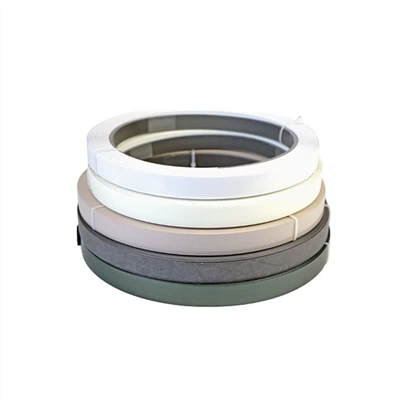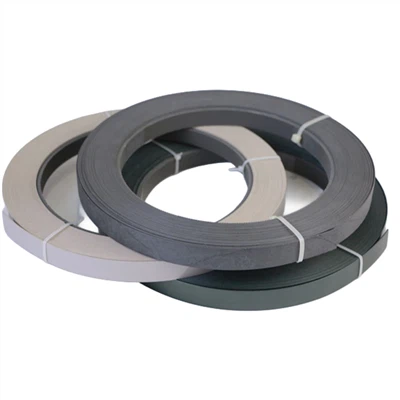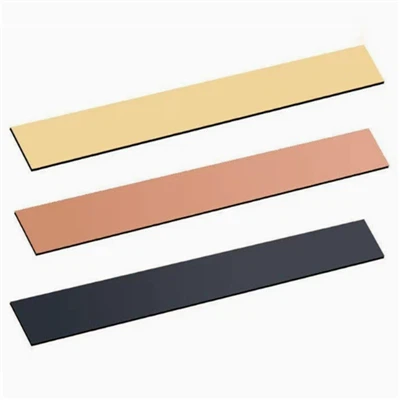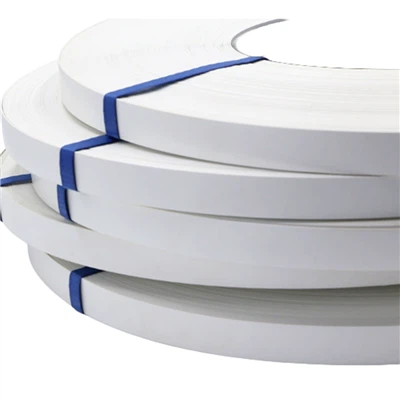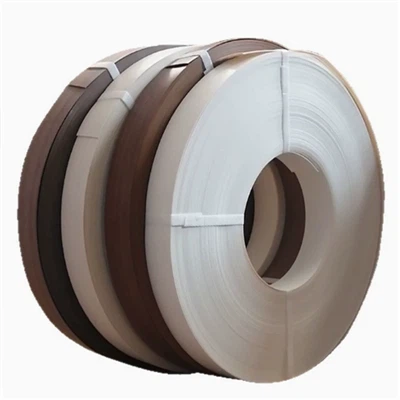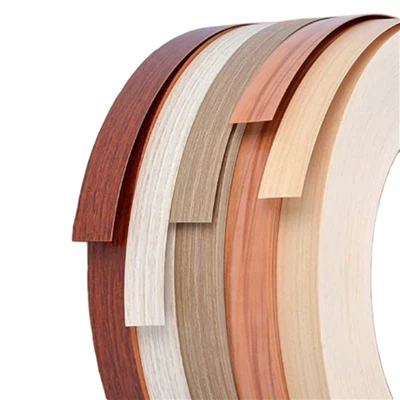
Edge banding is a material used to protect, decorate, and enhance the exposed edges of furniture panels. Primarily composed of polyvinyl chloride (PVC), it is manufactured through a process involving compounding and calendering, endowing it with properties such as abrasion resistance, moisture resistance, and the ability to inhibit formaldehyde emission. Available in thicknesses ranging from 0.3 to 3 mm and widths from 12 to 80 mm, it allows for color coordination through lamination with various materials and is widely utilized in fields such as panel furniture and office equipment.
Common types include PVC wood-grain, ABS, and melamine edge banding. PVC wood-grain banding simulates natural wood patterns using ink printing and UV coating techniques; while highly cost-effective, it exhibits relatively low heat resistance. ABS banding, free of calcium carbonate fillers, presents a translucent and smooth finish after trimming, making it suitable for high-end applications. Melamine banding is easy to bond but possesses a brittle and rigid texture. When selecting edge banding, it is essential to inspect the surface flatness, the degree of "whitening" (discoloration) after trimming, and the uniformity of the adhesive backing; furthermore, performance should be evaluated through scratch resistance and bending tests. During the manufacturing process, strict control over workshop temperature and adhesive parameters is critical; mainstream adhesives include water-based white latex and silicone sealants, with EVA-based hot-melt adhesives emerging as a popular choice due to their water resistance and eco-friendly properties.
In terms of environmental performance, edge banding employs airtight bonding techniques to seal off and prevent the release of formaldehyde from within the furniture panel, while also utilizing low-VOC (Volatile Organic Compound) materials to minimize pollution. Some products incorporate rounded-edge designs to mitigate the risk of injury to children from accidental bumps. As manufacturing technologies continue to advance, high-temperature-resistant and corrosion-resistant materials-such as ABS and PP-are increasingly being adopted within the mid-to-high-end market segments.