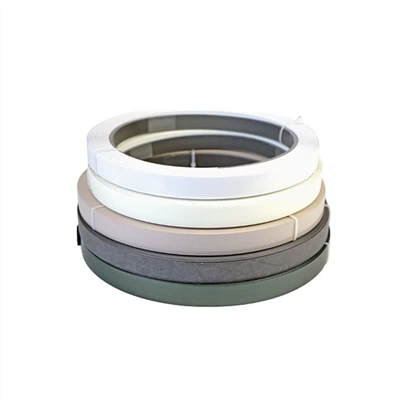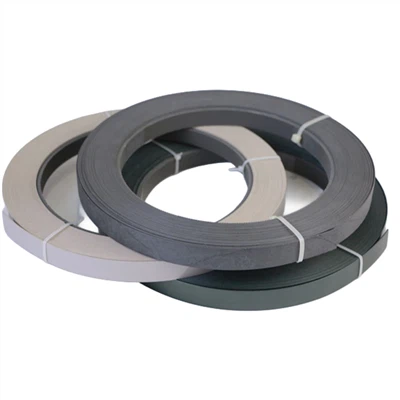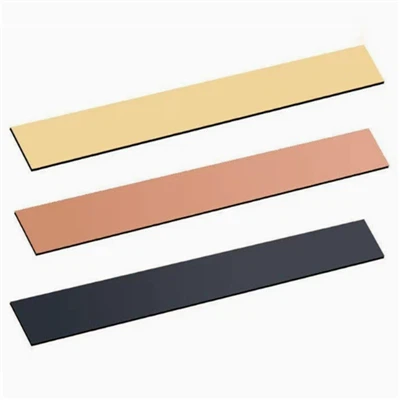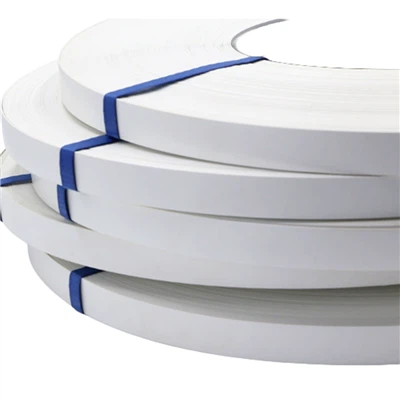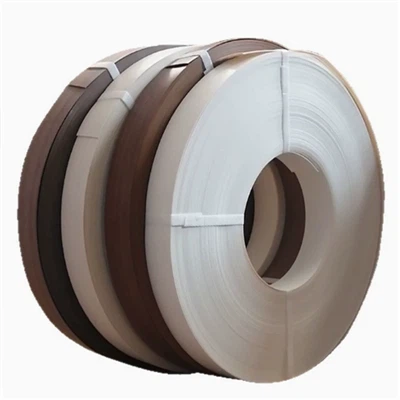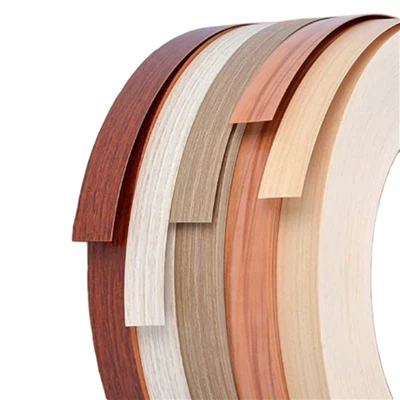
Hot-melt edge banding adhesive is an eco-friendly, solvent-free thermoplastic adhesive primarily used for bonding edge banding materials to engineered wood panels. It functions by being heated to a molten state for application, then cooling and solidifying to form a strong bond layer; it is suitable for use with materials such as PVC, melamine paper, and wood veneers. Based on application, these adhesives can be categorized into three types: edge banding, profile wrapping, and assembly adhesives. Based on operating temperature, they are classified into low-temperature (140–160°C), medium-temperature (160–180°C), and high-temperature (180–210°C) grades, each tailored to suit specific equipment types and material thicknesses.
With the evolution of the industry, PUR hot-melt edge banding adhesives have seen increasing adoption. These adhesives form an irreversible bond through a moisture-curing reaction, offering superior heat resistance, bonding strength, and chemical resistance compared to traditional adhesives. This type of adhesive is capable of bonding specialized materials-such as aluminum and acrylic-and is highly efficient in terms of consumption, requiring only approximately 2 grams of adhesive per linear meter of edge banding. Patented formulations for PUR hot-melt edge banding adhesives typically comprise raw materials such as isocyanates, polyether polyols, tackifying resins, and anti-mold agents. These formulations exhibit excellent mold resistance, high peel strength, resistance to thermal cycling, and-notably-do not swell when exposed to water. The market features manufacturers such as Henkel, which offer a diverse range of hot-melt adhesive products based on various technological platforms, including PUR hot-melt edge banding adhesives.