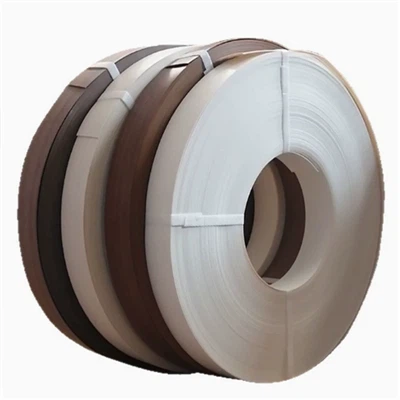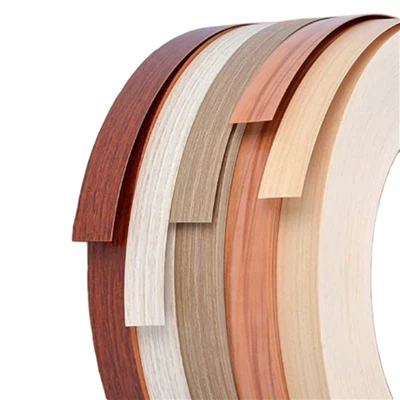
PVC-at its core composed of polyvinyl chloride resin-is meticulously formulated through the addition of anti-aging agents, stabilizers, calcium carbonate, CPE, colorants, epoxidized soybean oil, and various modifiers. Subsequently, it undergoes processing stages such as compounding and calendering to yield this material of exceptional performance.
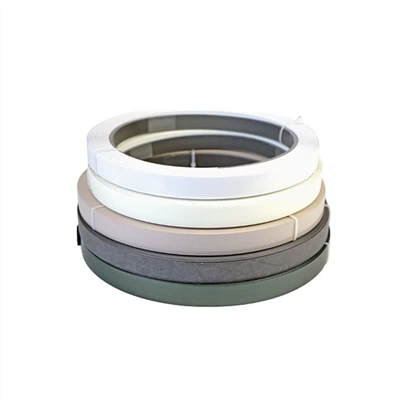
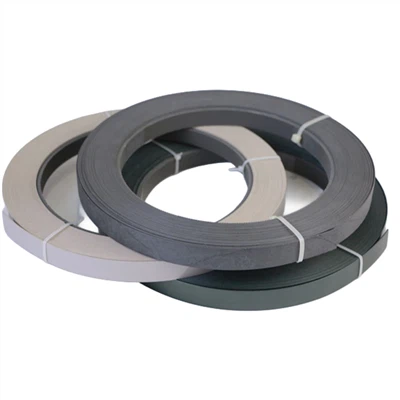
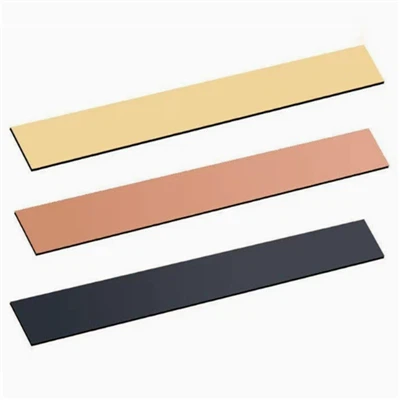
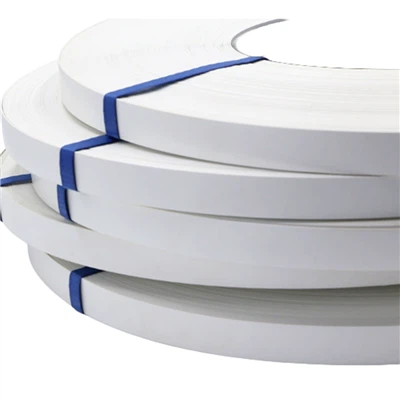
PVC edge banding garners significant attention not only for the unique properties of its material but also for its widespread popularity stemming from its remarkable color diversity. In terms of aesthetics, it can be broadly categorized into solid-color PVC edge banding and wood-grain PVC edge banding. Solid colors-defined as single, uniform hues-encompass the full spectrum of everyday shades, such as red, yellow, blue, and green. During production, the upper layer consists of PVC material, while the underside is coated with a primer adhesive; this design simplifies the selection process considerably-for instance, a white board is paired with white edge banding, and so forth. Furthermore, the specific nuances of each color are meticulously calibrated to ensure that the final aesthetic result is both visually appealing and highly durable.