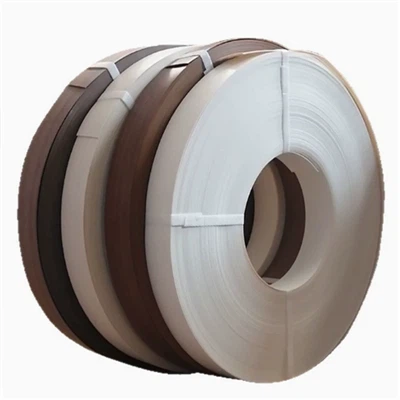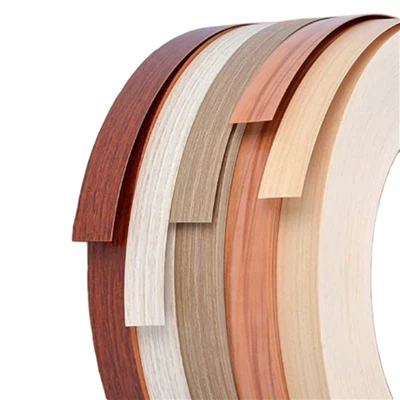
Key Considerations for Selecting Edgebanding Hot-Melt Adhesives
Edgebanding hot-melt adhesive, a specialized adhesive designed for sealing the edges of engineered wood panels, is characterized by its solvent-free composition and thermoplastic properties. Upon being heated to a specific temperature, it transitions from a solid state into a molten state; it is then applied to the engineered wood substrate or the edgebanding material. As it cools, it reverts to a solid state, thereby creating a firm bond between the edgebanding material and the substrate. When making a selection, key factors to consider include its solvent-free nature, thermoplastic characteristics, environmental friendliness, and compatibility with the specific substrate material.
Base Material Types for Edgebanding Hot-Melt Adhesives
Based on their primary base materials, edgebanding hot-melt adhesives can be broadly categorized into the following three types: 1) EVA (Ethylene-Vinyl Acetate Copolymer Resin)-based hot-melt adhesives: These can be further classified into two sub-types: those containing fillers and those that are filler-free. 2) Polyamide-based hot-melt adhesives: These adhesives exhibit excellent heat resistance and rapid curing properties, though they tend to be relatively more expensive. 3) HMPU (Polyurethane)-based hot-melt adhesives: Considered to offer the highest level of performance among hot-melt adhesives, these are frequently utilized for edgebanding high-quality engineered wood panels. EVA, polyamide, and polyurethane represent the most common base materials, each possessing distinct characteristics and specific areas of application.
Factors Influencing Viscosity
When selecting an edgebanding hot-melt adhesive, several critical factors must be taken into account. Viscosity, in and of itself, cannot serve as the sole metric for judging the overall performance quality of a hot-melt adhesive. Generally speaking, adhesives with higher viscosity tend to offer superior initial tack strength; however, their application properties-specifically their spreadability-may be somewhat compromised. Viscosity directly influences initial tack strength, and higher-viscosity adhesives are typically better suited for use with lower-quality particleboard substrates.
Selection Criteria for Different Edgebanding Materials
When edgebanding lower-quality particleboard, it is generally recommended to opt for a hot-melt adhesive with higher viscosity. This recommendation stems from the fact that high-viscosity adhesives possess lower fluidity; during the application process, they are less prone-compared to low-viscosity adhesives-to seeping excessively into the porous structure of the particleboard's edge, thereby ensuring a more uniform and consistent coating of the adhesive along the edge of the panel. High-viscosity hot-melt adhesive is suitable for lower-quality board materials, ensuring uniform application of the adhesive along the edges.