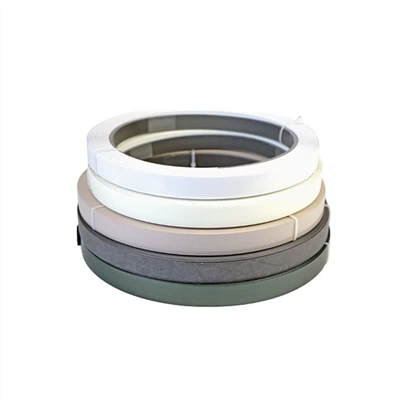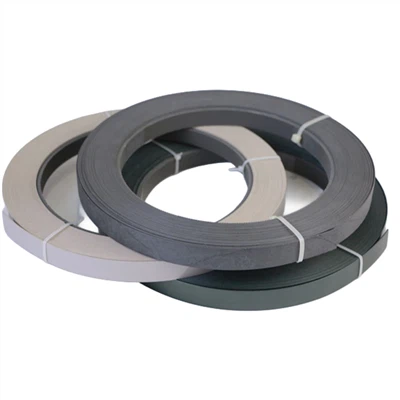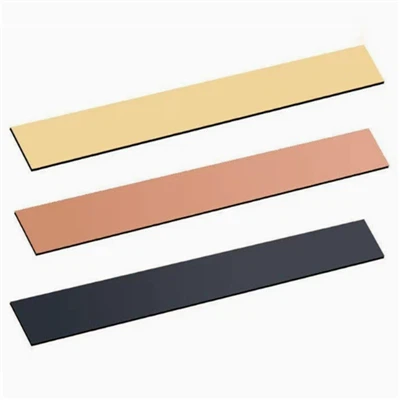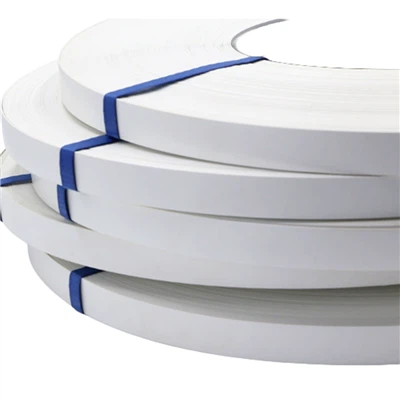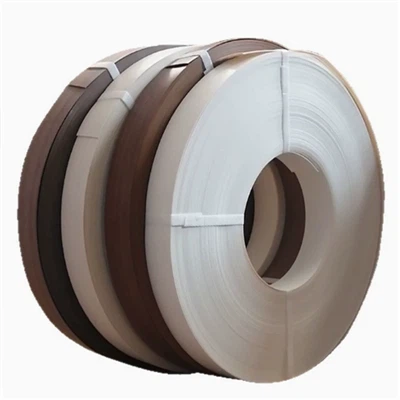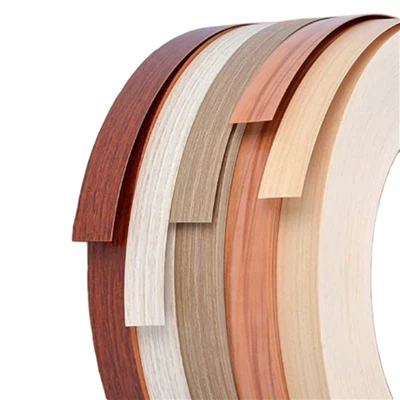
Since the performance of hot-melt edge-banding adhesives is sensitive to temperature fluctuations, temperature control is a critical factor during the edge-banding process. Specifically, the temperature of the hot-melt adhesive, the substrate, the edge-banding material, and the working environment (production workshop) all constitute vital parameters for successful edge banding. On automatic edge-banding machines-where the adhesive is applied directly to the substrate-a substrate temperature that is too low can cause the hot-melt adhesive to cure prematurely. This results in the adhesive adhering to the substrate but failing to form a strong bond with the edge-banding material; therefore, it is highly recommended to maintain the substrate temperature at or above 20°C. Furthermore, the ambient temperature of the edge-banding machine's working environment directly influences the adhesive's curing rate. Factories often encounter edge-banding quality issues during colder seasons; this is primarily because low ambient temperatures and low substrate temperatures shorten the hot-melt adhesive's "open time" (the window during which bonding can occur) and accelerate its curing speed.
Following the edge-banding process, the visible glue line between the board and the edge band can negatively impact the aesthetic appearance of panel furniture. Applying an excessive amount of adhesive results in a prominent, unsightly glue line; conversely, applying too little adhesive compromises the bonding strength of the edge band.
EVA-based hot-melt adhesives are generally susceptible to solvents. Manufacturers-particularly those working with wood veneers-must exercise caution during staining and spray-painting processes. Care must be taken to prevent excessive solvent penetration; if the diluents contained within the solvents seep into the adhesive layer, they will dilute the hot-melt adhesive, ultimately leading to edge detachment.