
When it comes to the world of adhesives, hot melt glue stands out as a versatile and widely - used option. It has found its way into numerous applications, from crafts and DIY projects to industrial manufacturing. One question that often arises, especially in some specific industrial and electrical contexts, is whether hot melt glue can be used for insulation. As a hot melt glue supplier, I am eager to delve into this topic and provide you with a comprehensive analysis.
Understanding Hot Melt Glue
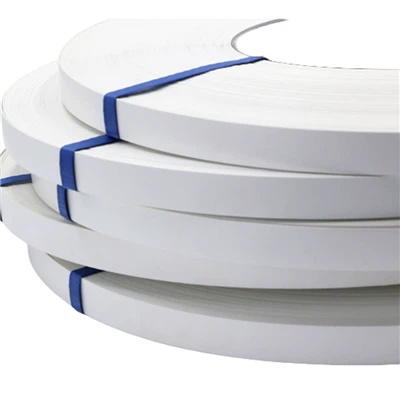
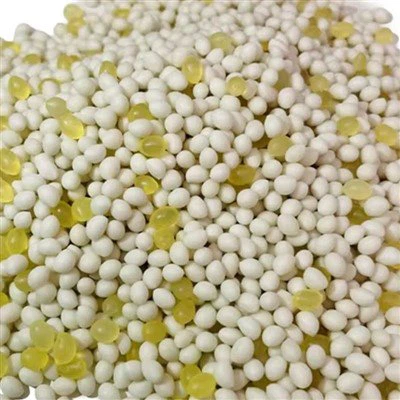
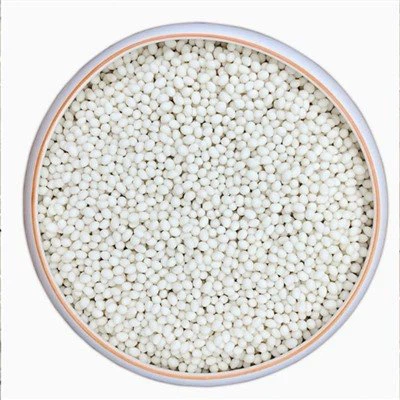
Hot melt glue is a thermoplastic adhesive that is solid at room temperature. When heated, it melts and becomes a liquid that can be applied to various surfaces. Once it cools down, it solidifies again, creating a strong bond. It is known for its quick setting time, high bonding strength, and ease of use. There are different types of hot melt glues available, each with its own set of properties and applications. For example, Hot Melt Glue for Edge Banding Machine is specifically designed for use in edge banding machines, providing a reliable bond for woodworking applications. Similarly, Hot Melt Glue for Edge Banding is used to attach edge bands to the edges of panels, enhancing the appearance and durability of the product.
The Basics of Insulation
Insulation, in the context of electricity and heat, refers to the material's ability to resist the flow of electric current or heat. Electrical insulation is crucial for safety, as it prevents the leakage of electricity and protects people and equipment from electrical shocks. Thermal insulation, on the other hand, helps to reduce heat transfer, which can lead to energy savings and improved comfort.
Can Hot Melt Glue Provide Electrical Insulation?
The ability of hot melt glue to provide electrical insulation depends on several factors. First, we need to consider the composition of the hot melt glue. Most hot melt glues are made from polymers, which are generally good electrical insulators. However, the degree of insulation can vary depending on the specific polymer used and any additives present in the glue.
In general, hot melt glue can provide a certain level of electrical insulation. For low - voltage applications, such as in some electronic devices where the voltage is relatively low and the risk of electrical leakage is minimal, hot melt glue can be used as a basic form of insulation. For example, it can be used to secure wires in place and prevent them from coming into contact with each other, reducing the risk of short - circuits.
However, for high - voltage applications, hot melt glue may not be sufficient. High - voltage systems require insulation materials with very high dielectric strength. The dielectric strength is a measure of the maximum electric field that an insulating material can withstand without breaking down and allowing current to flow. Hot melt glue typically has a lower dielectric strength compared to specialized electrical insulation materials such as rubber, silicone, or fiberglass.
Another factor to consider is the long - term stability of the insulation. Over time, hot melt glue can be affected by environmental factors such as temperature, humidity, and chemical exposure. These factors can cause the glue to degrade, which may reduce its insulating properties. In a high - humidity environment, for example, the glue may absorb moisture, which can increase its electrical conductivity and reduce its effectiveness as an insulator.
Can Hot Melt Glue Provide Thermal Insulation?
Hot melt glue can also play a role in thermal insulation, although its effectiveness is limited. The thermal conductivity of a material is a measure of how well it conducts heat. Materials with low thermal conductivity are good insulators.
Hot melt glue has a relatively low thermal conductivity compared to metals, but it is not as good as some dedicated thermal insulation materials. For small - scale applications, such as sealing small gaps or joints in a DIY project, hot melt glue can provide a small amount of thermal insulation. It can help to reduce heat transfer through the gaps, which can be beneficial in some cases.
However, for large - scale industrial applications or in situations where high - performance thermal insulation is required, hot melt glue is not the best choice. Specialized insulation materials such as fiberglass, foam, or mineral wool are much more effective at reducing heat transfer.
Applications Where Hot Melt Glue Can Be Used for Insulation
Despite its limitations, there are some applications where hot melt glue can be used for insulation.
In the electronics industry, hot melt glue can be used for basic insulation in low - voltage circuits. It can be used to secure components in place and prevent electrical short - circuits. For example, it can be used to hold wires in a printed circuit board (PCB) and prevent them from touching each other.
In the construction industry, hot melt glue can be used for sealing small gaps and joints in walls or ceilings. This can help to reduce air leakage and provide a small amount of thermal insulation. It can also be used to attach insulation materials to surfaces, although it is important to note that it should not be the sole method of insulation.
Limitations and Considerations
When considering using hot melt glue for insulation, it is important to be aware of its limitations. As mentioned earlier, its electrical and thermal insulation properties are not as good as those of specialized insulation materials. In addition, hot melt glue may not be suitable for applications where it will be exposed to high temperatures, high humidity, or harsh chemicals.
It is also important to ensure that the hot melt glue is applied correctly. Improper application can lead to gaps or voids in the insulation, which can reduce its effectiveness. For example, if the glue is not spread evenly, there may be areas where the insulation is weak.


Conclusion
In conclusion, hot melt glue can provide a certain level of insulation, both electrical and thermal, but it has its limitations. For low - voltage and small - scale applications, it can be a practical and cost - effective option. However, for high - voltage or high - performance insulation requirements, specialized insulation materials should be used.
As a hot melt glue supplier, we understand the importance of providing high - quality products that meet the diverse needs of our customers. If you are considering using hot melt glue for insulation or any other application, we are here to assist you. We can provide you with detailed information about our products, including their insulation properties, and help you choose the right glue for your specific needs.
If you are interested in learning more about our hot melt glue products or would like to discuss a potential purchase, please feel free to contact us. We look forward to working with you to find the best adhesive solutions for your projects.
References
- "Handbook of Adhesives" by I. Skeist
- "Electrical Insulation Materials and Systems" by A. M. EL - Sayed