
What is the production process of PET edge banding?
As a supplier of PET edge banding, I'm excited to share with you the intricate production process of this widely used material. PET, or polyethylene terephthalate, edge banding is a popular choice for furniture and cabinetry due to its durability, aesthetic appeal, and wide range of colors and finishes.
Raw Material Preparation
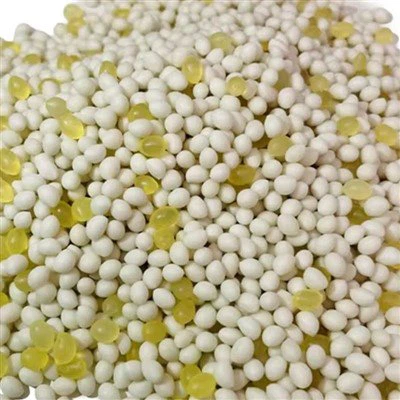
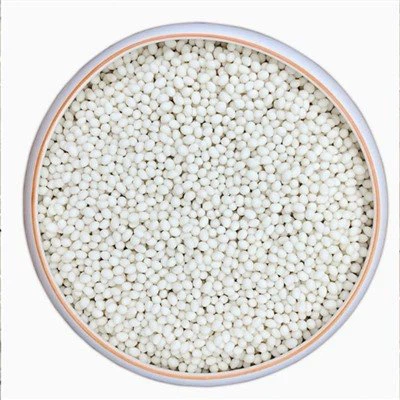
The production of PET edge banding begins with the selection of high - quality raw materials. PET resin is the primary ingredient, which is a thermoplastic polymer known for its strength and transparency. The resin is typically sourced from reliable suppliers and undergoes strict quality control checks.
Additives are also incorporated into the PET resin. These additives can include stabilizers to prevent degradation from heat and light, colorants to achieve the desired color, and lubricants to improve the flow of the material during processing. The precise combination of additives is carefully formulated to meet the specific requirements of the edge banding, such as UV resistance or scratch resistance.
Extrusion
Once the raw materials are prepared, the next step is extrusion. The PET resin and additives are fed into an extruder, which is a large machine that heats and melts the materials. The extruder consists of a screw that rotates within a heated barrel, pushing the molten PET through a die.
The die is a specially designed tool that gives the edge banding its shape. It can be adjusted to produce edge banding of different widths and thicknesses. As the molten PET passes through the die, it takes on the shape of the die opening and is formed into a continuous strip.
The extruded strip is then cooled rapidly using a water bath or air cooling system. This rapid cooling helps to solidify the PET and maintain its shape. The cooled edge banding is then cut to the desired length using a cutting machine.
Surface Treatment
After extrusion, the edge banding may undergo surface treatment to enhance its appearance and performance. One common surface treatment is embossing, which creates a textured pattern on the surface of the edge banding. Embossing can mimic the look of wood grain, leather, or other materials, adding a more natural and realistic appearance to the furniture.
Another surface treatment option is coating. A clear or colored coating can be applied to the surface of the edge banding to provide additional protection against scratches, stains, and UV rays. The coating can also improve the gloss or matte finish of the edge banding, depending on the desired aesthetic.
Printing
Printing is another important step in the production of PET edge banding. Printing can be used to add patterns, logos, or other decorative elements to the edge banding. Digital printing technology has become increasingly popular in recent years, as it allows for high - resolution and detailed printing on the edge banding.
The printing process involves applying a layer of ink to the surface of the edge banding using a printing machine. The ink is then cured using heat or UV light to ensure that it adheres firmly to the surface. Printing can be customized to meet the specific design requirements of the customer, making it a versatile option for furniture manufacturers.
Quality Control
Throughout the production process, strict quality control measures are implemented to ensure that the PET edge banding meets the highest standards. Quality control checks are performed at every stage, from raw material inspection to the final product.
The edge banding is inspected for defects such as bubbles, scratches, or uneven color. The thickness and width of the edge banding are also measured to ensure that they meet the specified tolerances. Samples are taken for further testing, including adhesion strength, abrasion resistance, and chemical resistance.
Packaging and Storage
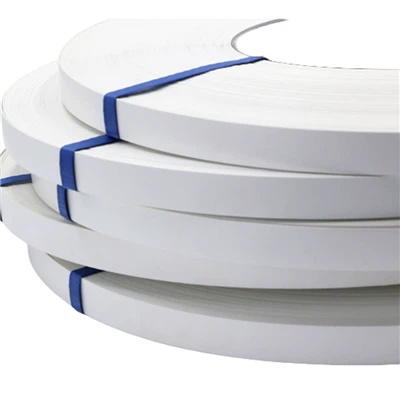
Once the edge banding has passed all quality control checks, it is ready for packaging. The edge banding is typically wound onto rolls and packaged in protective plastic or paper wrappers. The packaging is designed to protect the edge banding from damage during transportation and storage.
Proper storage is also important to maintain the quality of the edge banding. The edge banding should be stored in a cool, dry place away from direct sunlight and heat. This helps to prevent the edge banding from warping or discoloring over time.
Comparison with Other Edge Banding Materials
PET edge banding has several advantages over other types of edge banding materials. For example, compared to White PVC Edge Banding, PET edge banding is more environmentally friendly as it is recyclable. PVC edge banding may contain harmful chemicals such as phthalates, which can be released into the environment over time.


In contrast to Plywood ABS Edging, PET edge banding offers better scratch resistance and a wider range of colors and finishes. ABS edging is often used for its strength, but PET edge banding can provide similar strength while also offering a more aesthetically pleasing appearance.
Compared to Laser Edgeband, PET edge banding is more cost - effective. Laser edgebanding requires specialized equipment for installation, which can increase the overall cost. PET edge banding can be installed using traditional methods, making it a more accessible option for many furniture manufacturers.
Conclusion
The production process of PET edge banding is a complex and precise operation that involves multiple steps, from raw material preparation to quality control. Each step is crucial in ensuring that the final product meets the high standards of durability, aesthetic appeal, and performance.
As a supplier of PET edge banding, we are committed to providing our customers with the highest quality products. Our edge banding is available in a wide range of colors, finishes, and sizes to meet the diverse needs of furniture manufacturers. Whether you are looking for a simple, elegant edge banding or a more decorative option, we have the solution for you.
If you are interested in purchasing PET edge banding for your furniture or cabinetry projects, we invite you to contact us for a free sample and to discuss your specific requirements. Our team of experts is ready to assist you in finding the perfect edge banding solution for your business.
References
- ASTM International. (2023). Standard test methods for plastics.
- Smith, J. (2022). The science of polymer materials. Academic Press.
- Wilson, A. (2021). Furniture manufacturing techniques. Wiley.