
Can hot melt glue be used for curtain hanging? That's a question I get asked a lot as a hot melt glue supplier. And let me tell you, it's not as straightforward as you might think.
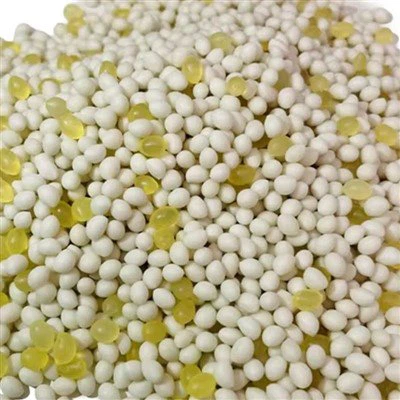
First off, let's talk about what hot melt glue is. Hot melt glue is a thermoplastic adhesive that's solid at room temperature. When you heat it up, it turns into a liquid that you can use to bond different materials together. It cools down quickly and forms a strong bond, which makes it super handy for all sorts of projects.
Now, when it comes to hanging curtains, there are a few things to consider. One of the main factors is the weight of the curtains. If you've got light - weight curtains, like sheer ones, hot melt glue could potentially work. The glue can create a bond between the curtain and the hanging surface, whether it's a rod or a wall.
But here's the deal. Heavy curtains are a different story. The weight of the curtains can put a lot of stress on the glue bond. Over time, the bond might start to weaken, and the curtains could fall down. This is especially true if the curtains are moved around a lot, like when you open and close them.
Another thing to think about is the type of fabric the curtains are made of. Some fabrics, like cotton or linen, are more porous and might absorb the hot melt glue better. This can lead to a stronger bond. On the other hand, synthetic fabrics, such as polyester, might not bond as well with hot melt glue. The smooth surface of the synthetic fabric can make it harder for the glue to adhere properly.
Let's also consider the environment where the curtains will be hung. If the area is hot and humid, the hot melt glue might soften and lose its strength. High temperatures can cause the glue to become more flexible, which can be a problem if you're relying on it to hold up heavy curtains.


Now, I know what you're thinking. "So, can I use hot melt glue for curtain hanging or not?" Well, it depends. If you're working with light - weight curtains made of a fabric that the glue can bond well with, and the environment is relatively stable, then it's worth giving it a try.
When using hot melt glue for curtain hanging, here are some tips. First, make sure the surface you're applying the glue to is clean and dry. Any dirt or moisture can affect the bond. Second, apply the glue evenly. You don't want to use too much or too little. A thin, even layer should do the trick. And third, give the glue enough time to cool and set before hanging the curtains.
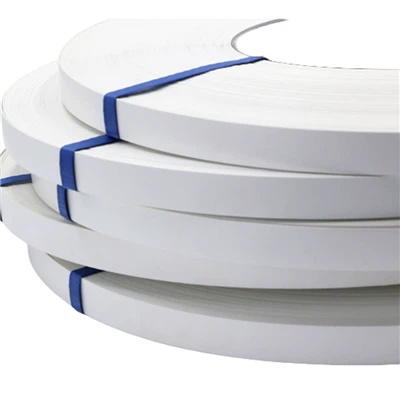
As a hot melt glue supplier, I offer a variety of products that might be suitable for curtain hanging. For example, our Hot Melt Glue for Edge Banding is known for its strong bonding properties. It can work well on different types of fabrics and surfaces. And if you're looking for a glue specifically designed for machines, our Hot Melt Glue for Edge Banding Machine is a great option.
If you're still not sure whether hot melt glue is the right choice for your curtain - hanging project, I'm here to help. I've got years of experience in the hot melt glue industry, and I can answer any questions you might have. Whether you're a DIY enthusiast or a professional decorator, I can recommend the best product for your needs.
Contact me if you're interested in purchasing hot melt glue for your curtain - hanging or any other projects. We can have a chat about your requirements, and I'll do my best to find the perfect solution for you.
References
- General knowledge of hot melt glue properties and applications from industry experience.
- Studies on adhesion of hot melt glue to different fabrics and materials.