
As a supplier of Trimming PVC Edge Banding, I often receive inquiries from customers about various aspects of using and installing edge banding. One common question that comes up is, "Can I use glue to join trimmed PVC edge banding?" In this blog post, I'll delve into this topic, exploring the feasibility, best practices, and considerations when using glue to join trimmed PVC edge banding.
Understanding PVC Edge Banding
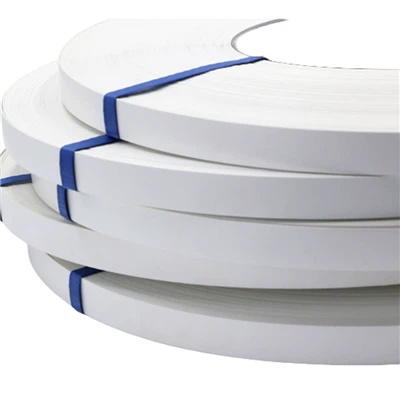
PVC edge banding is a popular choice for finishing the edges of furniture, cabinets, and other woodworking projects. It offers several advantages, including durability, a wide range of colors and finishes, and ease of installation. Trimming PVC edge banding involves cutting it to the desired length and shape to fit the edges of the workpiece.
Can Glue Be Used to Join Trimmed PVC Edge Banding?
The short answer is yes, you can use glue to join trimmed PVC edge banding. However, there are several factors to consider to ensure a successful and long - lasting bond.


Types of Glue
- Contact Adhesive: Contact adhesives are a popular choice for joining PVC edge banding. They work by applying the adhesive to both the edge of the workpiece and the back of the edge banding. Once the adhesive is dry to the touch, the two surfaces are pressed together, creating a strong bond. Contact adhesives provide a quick and reliable way to join PVC edge banding, but they require careful application to avoid uneven bonding.
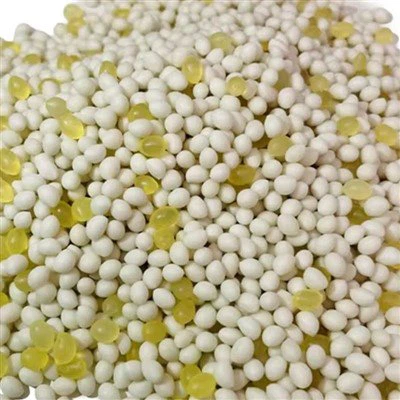
- Hot Melt Glue: Hot melt glue is another option for joining PVC edge banding. It is applied using a hot glue gun, which melts the glue and allows it to be spread evenly on the surface. Hot melt glue provides a strong bond and is easy to work with, but it may not be as durable as contact adhesive in some cases.
- Epoxy Glue: Epoxy glue is a two - part adhesive that provides a very strong and durable bond. It is ideal for applications where a high - strength bond is required. However, epoxy glue can be more difficult to work with than contact adhesive or hot melt glue, as it requires precise mixing and a longer curing time.
Surface Preparation
Proper surface preparation is crucial for a successful bond when using glue to join trimmed PVC edge banding. The edges of the workpiece and the back of the edge banding should be clean, dry, and free of any dust, dirt, or grease. You can use a mild detergent and a clean cloth to clean the surfaces, followed by thorough drying.
Application Techniques
- Contact Adhesive Application: When using contact adhesive, apply a thin, even layer of adhesive to both the edge of the workpiece and the back of the edge banding. Allow the adhesive to dry for the recommended time, usually a few minutes, until it is dry to the touch. Then, carefully align the edge banding with the edge of the workpiece and press them together firmly. Use a roller or a flat tool to ensure full contact and to remove any air bubbles.
- Hot Melt Glue Application: For hot melt glue, heat the glue gun and apply a thin bead of glue along the edge of the workpiece. Immediately press the edge banding onto the glue, starting from one end and working your way to the other. Use a roller or a flat tool to press the edge banding firmly against the workpiece and to smooth out any wrinkles or bubbles.
- Epoxy Glue Application: When using epoxy glue, follow the manufacturer's instructions for mixing the two parts of the adhesive. Apply the mixed epoxy to the edge of the workpiece and the back of the edge banding. Press the two surfaces together and hold them in place until the epoxy has cured. This may take several hours or even days, depending on the type of epoxy used.
Advantages of Using Glue to Join Trimmed PVC Edge Banding
- Customization: Using glue allows you to join trimmed PVC edge banding in a way that is tailored to your specific project. You can cut the edge banding to the exact length and shape you need and then join it together to create a seamless finish.
- Cost - Effective: Glue is a relatively inexpensive way to join trimmed PVC edge banding compared to other methods, such as using mechanical fasteners or heat - sealing.
- Ease of Installation: Glue is easy to apply and does not require any special tools or equipment. This makes it a convenient option for DIYers and small - scale woodworking projects.
Disadvantages of Using Glue to Join Trimmed PVC Edge Banding
- Limited Durability: Depending on the type of glue used, the bond between the trimmed PVC edge banding and the workpiece may not be as durable as other methods. Over time, the glue may weaken or fail, especially in high - traffic areas or areas exposed to moisture.
- Aesthetic Considerations: The use of glue may leave visible marks or residues on the surface of the edge banding or the workpiece. This can affect the overall appearance of the finished project.
Other Considerations
- Temperature and Humidity: The temperature and humidity conditions during installation can affect the performance of the glue. Most adhesives work best at room temperature and moderate humidity levels. Extreme temperatures or high humidity can cause the glue to dry too quickly or too slowly, which can affect the strength of the bond.
- Compatibility: Make sure the glue you choose is compatible with the PVC edge banding and the material of the workpiece. Some adhesives may not bond well with certain types of PVC or wood, so it's important to test the glue on a small, inconspicuous area before applying it to the entire project.
Alternatives to Glue
If you're not comfortable using glue to join trimmed PVC edge banding, there are other options available.
- Heat - Sealing: Heat - sealing is a method of joining PVC edge banding using heat and pressure. It creates a strong, seamless bond between the edge banding and the workpiece. Heat - sealing requires special equipment, such as a heat - sealer, but it provides a very durable and professional - looking finish.
- Mechanical Fasteners: Mechanical fasteners, such as nails, screws, or staples, can also be used to join trimmed PVC edge banding. However, this method may not be as aesthetically pleasing as using glue or heat - sealing, and it may require additional holes or marks on the surface of the workpiece.
Conclusion
In conclusion, using glue to join trimmed PVC edge banding is a viable option, but it requires careful consideration of the type of glue, surface preparation, and application techniques. While glue offers several advantages, such as customization and cost - effectiveness, it also has some limitations, such as limited durability and aesthetic considerations. If you're unsure about which method to use, it's always a good idea to consult with a professional or to test the glue on a small, inconspicuous area before applying it to the entire project.
As a supplier of Trimming PVC Edge Banding, we offer a wide range of high - quality products to meet your needs. If you're interested in purchasing our PVC edge banding or have any questions about using or installing it, please feel free to contact us. We'll be happy to assist you with your project. For more information on different types of edge banding, you can also visit our website to check out Birch Veneer Edging, Metal Edge Banding for Plywood, and Plywood PVC Edge Banding.
References
- Woodworking Magazine: Various articles on edge banding installation and adhesive use.
- PVC Edge Banding Manufacturer's Guides: Information on recommended glues and installation methods.