
Hey there! As a supplier of Laser Edgeband, I often get asked about how it affects the overall weight of furniture. It's a pretty interesting topic, so let's dive right in and explore this together.
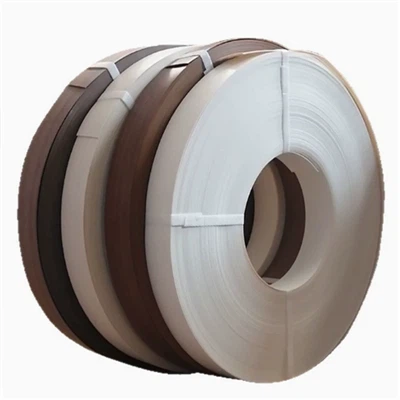
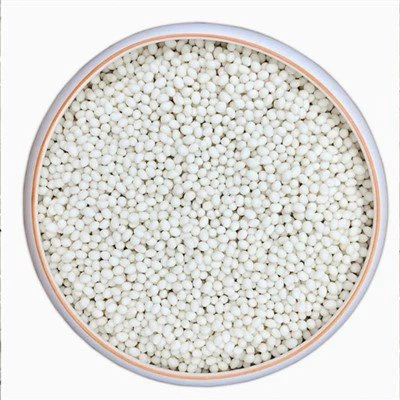
First off, let's understand what laser edgeband is. Laser edgeband is a high - tech solution for finishing the edges of furniture. It uses laser technology to bond the edgeband to the furniture surface, creating a seamless and durable finish. This type of edgeband comes in various materials like PVC, which is a popular choice due to its flexibility, affordability, and wide range of colors and textures.
Now, when it comes to the weight of furniture, every little bit counts. The weight of furniture can impact its portability, shipping costs, and even its stability. So, how does laser edgeband fit into this equation?
The Material Factor
The material of the laser edgeband plays a significant role in determining its weight. As I mentioned, PVC is a common material for laser edgebands. PVC is relatively lightweight compared to some other materials. For example, if you were to compare it to a solid wood edgeband, PVC would be much lighter.
Let's say you're making a cabinet. Using Cabinet PVC Edge Banding instead of a thick wooden edgeband can save a considerable amount of weight. This is especially important if you're planning to move the cabinet around or if you're shipping it long - distance. The lighter the cabinet, the lower the shipping costs and the easier it is to handle.
Thickness and Width
The thickness and width of the laser edgeband also affect the overall weight of the furniture. A thicker edgeband will naturally add more weight. However, the increase in weight is usually minimal. Most laser edgebands are designed to be thin enough to provide a good finish without adding too much bulk.


For instance, if you're using Plywood PVC Edge Banding on a plywood piece of furniture, a standard thickness of the edgeband won't significantly increase the weight. But if you choose a very thick edgeband, it will add a bit more. Similarly, a wider edgeband will also contribute more to the weight, but again, the difference is usually not huge.
Quantity of Edgeband Used
The amount of laser edgeband used on a piece of furniture is another factor. Obviously, the more edgeband you use, the more weight it will add. For a large piece of furniture with many edges, like a big wardrobe, you'll need more edgeband. But even then, the weight added by the edgeband is relatively small compared to the overall weight of the furniture.
Let's do a quick calculation. Suppose you have a small cabinet with a total edge length of 10 meters. If you use a standard 0.4mm thick and 20mm wide PVC laser edgeband, the weight of the edgeband itself would be quite negligible. The density of PVC is around 1.3 - 1.4 g/cm³. Using some basic math, the weight of the edgeband for this cabinet would be just a few grams.
Impact on Different Types of Furniture
The effect of laser edgeband on the weight can vary depending on the type of furniture. For lightweight furniture, like a small bedside table made of particleboard, the addition of a laser edgeband might have a relatively more noticeable impact on the weight. But for heavy - duty furniture, such as a solid wood dining table, the weight added by the edgeband is a drop in the bucket.
In the case of Trimming PVC Edge Banding, it's often used for fine - tuning the edges of furniture. This type of edgeband is usually very thin and doesn't add much weight at all. It's more about enhancing the appearance and durability of the furniture rather than adding a significant amount of weight.
Considerations for Designers and Manufacturers
For furniture designers and manufacturers, the weight of the edgeband is an important consideration. They need to balance the aesthetic appeal of the edgeband with its impact on the overall weight of the furniture. If they're aiming for a lightweight and portable design, they might choose a thinner and lighter edgeband. On the other hand, if durability and a high - end look are the priorities, they might opt for a slightly thicker edgeband, even though it will add a bit more weight.
Cost - Benefit Analysis
When it comes to the weight of the laser edgeband and its impact on furniture, there's also a cost - benefit analysis. A lighter edgeband might save on shipping costs and make the furniture easier to handle, but it might not be as durable as a heavier one. So, it's a matter of finding the right balance.
For example, if you're a manufacturer shipping a large number of furniture pieces, the savings in shipping costs from using a lighter edgeband can add up over time. But if the edgeband doesn't hold up well during use, it could lead to customer complaints and additional costs for repairs or replacements.
Conclusion
In conclusion, laser edgeband does have an impact on the overall weight of furniture, but it's usually a relatively small one. The material, thickness, width, and quantity of the edgeband all play a role in determining how much weight it adds. Whether you're a furniture designer, manufacturer, or a consumer, it's important to consider these factors when choosing a laser edgeband.
If you're interested in learning more about our laser edgeband products or have any questions about how they can fit into your furniture projects, feel free to reach out for a procurement discussion. We're here to help you find the best solution for your needs.
References
- "Furniture Materials and Their Properties" - A general reference on different materials used in furniture making.
- "PVC in Furniture Applications" - A study on the use of PVC in furniture and its characteristics.