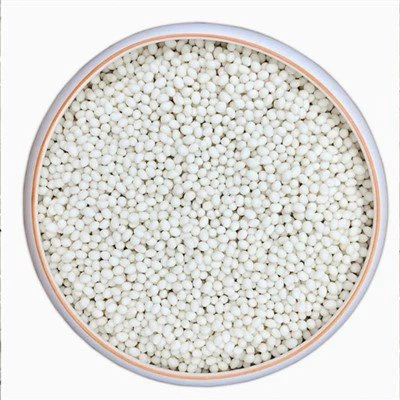

What is the Best Hot Melt Glue for Plastic?
When it comes to bonding plastic materials, selecting the right hot melt glue is crucial for achieving strong and durable bonds. As a hot melt glue supplier, I've witnessed firsthand the diverse needs of customers in various industries. In this blog, I'll share insights on what makes the best hot melt glue for plastic and guide you through the selection process.
Understanding the Basics of Hot Melt Glue
Hot melt glue, also known as hot glue, is a thermoplastic adhesive that is solid at room temperature. When heated, it melts and becomes a liquid that can be applied to surfaces. As it cools, it solidifies again, creating a strong bond. Hot melt glue is popular for its quick bonding time, ease of use, and versatility.


There are different types of hot melt glue formulations, each with its own set of properties and applications. The most common types used for plastic bonding include ethylene-vinyl acetate (EVA), polyamide (PA), and polyurethane (PU) hot melt glues.
Factors to Consider When Choosing Hot Melt Glue for Plastic
- Plastic Type: Different plastics have different surface energies and chemical compositions, which can affect the adhesion of the hot melt glue. For example, polyolefins such as polyethylene and polypropylene have low surface energy and are more difficult to bond compared to polar plastics like polycarbonate or acrylonitrile butadiene styrene (ABS). It's important to choose a hot melt glue that is specifically formulated for the type of plastic you are working with.
- Bond Strength: The bond strength required depends on the application. For light-duty applications, a lower-strength hot melt glue may be sufficient. However, for heavy-duty applications where the bond needs to withstand high stress or load, a high-strength hot melt glue is necessary.
- Temperature Resistance: Consider the temperature conditions that the bonded plastic parts will be exposed to. Some hot melt glues have better temperature resistance than others. If the plastic parts will be exposed to high temperatures, choose a hot melt glue with a high melting point and good heat resistance.
- Open Time: Open time refers to the period during which the hot melt glue remains in a liquid state and can be used to bond the surfaces. A longer open time allows for more time to position and align the plastic parts before the glue solidifies. However, if you need a quick bond, a shorter open time may be more suitable.
- Flexibility: Depending on the application, you may need a hot melt glue that provides some flexibility. This is important for applications where the plastic parts may be subjected to movement or vibration. A flexible hot melt glue can help prevent the bond from cracking or breaking under stress.
Types of Hot Melt Glue for Plastic
-
Ethylene-Vinyl Acetate (EVA) Hot Melt Glue
EVA hot melt glue is one of the most commonly used types of hot melt glue for plastic bonding. It offers good adhesion to a wide range of plastics, including ABS, PVC, and polystyrene. EVA hot melt glue has a relatively low melting point, which makes it easy to apply and suitable for use with low-temperature glue guns. It also has good flexibility and impact resistance. However, EVA hot melt glue may not be suitable for applications that require high temperature resistance or chemical resistance. -
Polyamide (PA) Hot Melt Glue
Polyamide hot melt glue is known for its high strength and excellent temperature resistance. It can withstand high temperatures without losing its bond strength, making it suitable for applications where the plastic parts will be exposed to heat. PA hot melt glue also has good chemical resistance and adhesion to a variety of plastics, including polyolefins. However, it has a higher melting point compared to EVA hot melt glue, which means it requires a higher temperature to melt and apply. -
Polyurethane (PU) Hot Melt Glue
Polyurethane hot melt glue offers a combination of high strength, flexibility, and excellent adhesion to plastics. It can bond a wide range of plastics, including difficult-to-bond polyolefins. PU hot melt glue has good resistance to moisture, chemicals, and UV radiation, making it suitable for outdoor applications. It also has a relatively long open time, which allows for easy application and positioning of the plastic parts. However, PU hot melt glue is more expensive compared to EVA and PA hot melt glues.
Applications of Hot Melt Glue for Plastic
- Edge Banding: Hot melt glue is widely used for edge banding in the furniture industry. Hot Melt Glue for Edge Banding provides a strong and durable bond between the edge banding material and the substrate, ensuring a smooth and seamless finish.
- Assembly of Plastic Parts: Hot melt glue is used to assemble plastic parts in various industries, such as electronics, automotive, and consumer goods. It allows for quick and efficient bonding of plastic components, reducing production time and costs.
- Packaging: Hot melt glue is used in the packaging industry to seal cartons, boxes, and other packaging materials. It provides a secure and reliable bond, ensuring the integrity of the package during transportation and storage.
- Crafts and DIY Projects: Hot melt glue is a popular choice for crafts and DIY projects. It is easy to use and can bond a variety of plastic materials, making it suitable for creating various crafts and decorations.
Tips for Using Hot Melt Glue on Plastic
- Surface Preparation: Before applying the hot melt glue, make sure the plastic surfaces are clean and free of dust, grease, and other contaminants. You can use a mild detergent or alcohol to clean the surfaces.
- Temperature Setting: Set the glue gun or applicator to the appropriate temperature according to the type of hot melt glue you are using. Using the wrong temperature can affect the adhesion and performance of the glue.
- Application Technique: Apply the hot melt glue evenly on one of the plastic surfaces. Then, quickly press the two surfaces together and hold them in place until the glue solidifies. Make sure to apply enough pressure to ensure a good bond.
- Safety Precautions: Hot melt glue can reach high temperatures, so it's important to take safety precautions when using it. Wear heat-resistant gloves to protect your hands from burns. Avoid touching the hot glue or the glue gun nozzle while it is hot.
Conclusion
Choosing the best hot melt glue for plastic depends on several factors, including the type of plastic, bond strength requirements, temperature resistance, open time, and flexibility. By understanding these factors and considering the specific application, you can select the right hot melt glue for your needs. As a hot melt glue supplier, we offer a wide range of hot melt glue products that are specifically formulated for plastic bonding. If you have any questions or need assistance in choosing the right hot melt glue for your application, please don't hesitate to contact us. We are here to help you find the best solution for your bonding needs.
If you are interested in purchasing our hot melt glue products for plastic bonding, we welcome you to engage in procurement discussions. Our team of experts can provide you with detailed product information, samples, and competitive pricing. Contact us today to start the conversation and find the perfect hot melt glue for your plastic applications.
References
- "Handbook of Adhesives", edited by Irving Skeist.
- "Adhesive Bonding: Science, Technology, and Applications", by David A. Dillard.