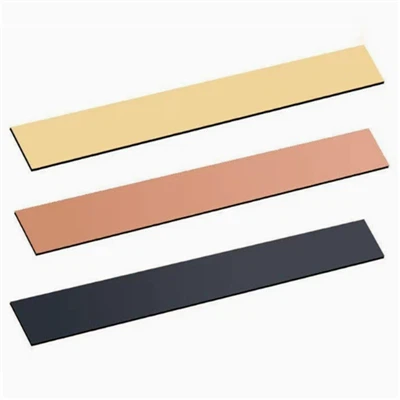

In today's environmentally conscious world, the demand for sustainable and eco - friendly materials is on the rise. As a supplier of Birch Veneer Edging, I am often asked about the environmental friendliness of our product. In this blog, we will delve into the question: Is Birch Veneer Edging eco - friendly?
The Source of Birch Wood
Birch trees are a common species in many parts of the world, including North America, Europe, and Asia. They are known for their relatively fast growth rate compared to some other hardwoods. Fast - growing trees are generally more sustainable because they can be replenished more quickly. Many forestry management practices ensure that birch forests are harvested in a responsible manner. These practices involve selective logging, where only mature trees are cut down, leaving younger trees to continue growing. This helps maintain the ecological balance of the forest and ensures a continuous supply of birch wood.
Certification is also an important aspect when it comes to the sustainability of the wood source. Look for birch veneer edging that is sourced from forests certified by organizations such as the Forest Stewardship Council (FSC). FSC certification guarantees that the wood comes from well - managed forests that meet strict environmental and social standards. When you purchase FSC - certified birch veneer edging, you can be confident that the wood has been harvested in an environmentally friendly way, with minimal impact on the ecosystem.
Manufacturing Process
The manufacturing process of birch veneer edging also plays a crucial role in determining its eco - friendliness. Our company uses advanced technology to produce birch veneer edging with minimal waste. The process of slicing the birch wood into thin veneers is highly efficient, and any leftover wood chips or sawdust can be recycled or used for other purposes, such as biomass energy production.
In addition, we are committed to using non - toxic adhesives in the manufacturing process. Traditional adhesives may contain harmful chemicals such as formaldehyde, which can be released into the air and cause health problems. Our adhesives are low - VOC (volatile organic compound) or VOC - free, which means they have a minimal impact on indoor air quality. This is not only beneficial for the environment but also for the health of the end - users.
Comparison with Other Edge Banding Materials
Let's compare birch veneer edging with some other common edge banding materials in terms of eco - friendliness.
PET Edge Banding: PET edge banding is made from polyethylene terephthalate, a type of plastic. While PET can be recycled, the production of plastic often involves the use of fossil fuels and can have a significant environmental impact. Additionally, some PET edge banding may contain additives that are not environmentally friendly. You can learn more about PET Edge Banding.


Thick Melamine Edge Banding: Melamine edge banding is made by laminating melamine resin onto a substrate. The production of melamine resin can involve the use of formaldehyde, which is a known carcinogen. Although there are formaldehyde - free melamine edge banding options available, the overall environmental impact of melamine production is still a concern. For more information on Thick Melamine Edge Banding.
Trimming PVC Edge Banding: PVC (polyvinyl chloride) edge banding is a popular choice due to its durability and affordability. However, PVC is a type of plastic that is known to release harmful chemicals during its production, use, and disposal. The production of PVC also requires a large amount of energy and resources. You can find more details about Trimming PVC Edge Banding.
In contrast, birch veneer edging is a natural and renewable material. It has a lower carbon footprint compared to plastic - based edge banding materials. The natural beauty of birch wood also adds an aesthetic appeal that synthetic materials may not be able to match.
End - of - Life Disposal
Another important aspect of eco - friendliness is the end - of - life disposal of the product. Birch veneer edging is biodegradable. When it reaches the end of its useful life, it can be composted or recycled into other wood products. This is in contrast to plastic - based edge banding materials, which often end up in landfills and take hundreds of years to decompose.
Benefits for the Indoor Environment
Using birch veneer edging in interior design projects can also have positive effects on the indoor environment. As mentioned earlier, our birch veneer edging is made with low - VOC or VOC - free adhesives, which helps improve indoor air quality. This is especially important in environments such as homes, offices, and schools, where people spend a significant amount of time.
The natural texture and warmth of birch wood can also create a more comfortable and inviting indoor space. It can contribute to a sense of well - being and reduce stress levels.
Conclusion
In conclusion, birch veneer edging is a highly eco - friendly option for edge banding. Its sustainable sourcing, efficient manufacturing process, low environmental impact during disposal, and positive effects on the indoor environment make it a great choice for environmentally conscious consumers.
If you are interested in purchasing birch veneer edging for your next project, we would be more than happy to discuss your requirements. Our team of experts can provide you with detailed information about our products and help you make an informed decision. Contact us to start a conversation about how our birch veneer edging can meet your needs.
References
- Forest Stewardship Council. (n.d.). What is FSC? Retrieved from [FSC official website]
- Environmental Protection Agency. (n.d.). Volatile Organic Compounds (VOCs). Retrieved from [EPA official website]
- Various industry reports on the environmental impact of different edge banding materials.