
Plywood is a widely used material in construction, furniture making, and various other industries due to its strength, versatility, and cost - effectiveness. However, one of the major challenges with plywood is its susceptibility to moisture. Moisture can cause the plywood to warp, delaminate, and develop mold, significantly reducing its lifespan and structural integrity. This is where Plywood ABS Edging comes into play. As a Plywood ABS Edging supplier, I'm here to explain how our product effectively prevents moisture from entering plywood.
Understanding the Problem of Moisture in Plywood
Plywood is made by bonding multiple layers of wood veneers together with adhesives. The edges of the plywood are particularly vulnerable to moisture because the layers are exposed. When moisture seeps into these exposed edges, it can penetrate between the veneer layers. This can lead to the breakdown of the adhesive bonds, causing the plywood to delaminate. Additionally, the wood itself can absorb water, leading to swelling and warping. In humid environments or areas prone to water exposure, such as kitchens, bathrooms, and outdoor structures, the risk of moisture damage to plywood is even higher.
How Plywood ABS Edging Works as a Moisture Barrier
1. Material Properties of ABS
Acrylonitrile Butadiene Styrene (ABS) is a thermoplastic polymer known for its excellent moisture - resistant properties. ABS has a dense molecular structure that does not allow water molecules to easily penetrate. When used as an edging for plywood, it forms a physical barrier that prevents moisture from reaching the exposed edges of the plywood.


The manufacturing process of ABS edging involves extruding the material into the desired shape. This results in a continuous and seamless edging strip that can be precisely applied to the plywood edges. The seamless nature of the edging is crucial as it eliminates any gaps or weak points where moisture could enter.
2. Adhesive Bonding
To ensure maximum moisture protection, Plywood ABS Edging is typically bonded to the plywood using a high - quality adhesive. The adhesive creates a strong bond between the ABS edging and the plywood, further enhancing the moisture - resistant properties. A good adhesive not only holds the edging in place but also fills any microscopic gaps between the edging and the plywood, preventing moisture from seeping through.
3. Sealing the Edges
Once the ABS edging is properly bonded to the plywood, it effectively seals the edges. This means that even if the plywood is exposed to water or high humidity, the moisture cannot easily penetrate the edges. The edging acts as a shield, protecting the vulnerable layers of the plywood from water damage.
Advantages of Plywood ABS Edging over Other Edging Materials
1. Durability
Compared to other edging materials such as wood or paper edging, ABS edging is much more durable. It is resistant to scratches, impacts, and abrasion, which helps to maintain its integrity as a moisture barrier over time. Wood edging can absorb moisture itself and may rot or warp, while paper edging is easily damaged and provides limited moisture protection.
2. Aesthetic Appeal
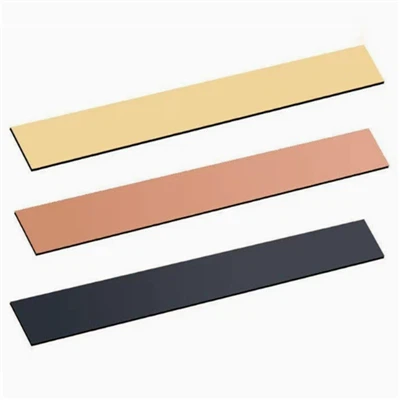
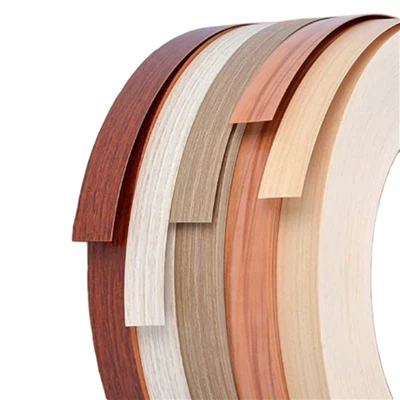
ABS edging is available in a wide range of colors and finishes, allowing for a more aesthetically pleasing appearance. It can be matched to the color of the plywood or used to create a contrasting look. This makes it a popular choice for furniture and interior design applications where both functionality and appearance are important.
3. Ease of Installation
Installing Plywood ABS Edging is relatively straightforward. It can be cut to the desired length and applied using simple tools. This makes it a convenient option for both professional installers and DIY enthusiasts.
Real - World Applications
Plywood ABS Edging is used in a variety of applications where moisture protection is essential. In the furniture industry, it is commonly used on kitchen cabinets, bathroom vanities, and wardrobes. These areas are often exposed to water and high humidity, and the ABS edging helps to protect the plywood from damage.
In construction, ABS edging can be used on exterior plywood panels in areas such as decks and siding. By preventing moisture from entering the plywood, it helps to extend the lifespan of the structure and maintain its structural integrity.
Other Related Edge - Banding Products
In addition to Plywood ABS Edging, we also offer other high - quality edge - banding products. For example, our Laser Edgeband is a state - of - the - art edge - banding solution that provides a seamless and high - gloss finish. It is also highly resistant to moisture and wear, making it suitable for a variety of applications.
Our White PVC Edge Banding is another popular option. PVC edge banding is known for its flexibility and affordability. It offers good moisture protection and is available in a range of thicknesses and colors.
If you are looking for a classic and elegant option, our White ABS Edging is a great choice. It provides excellent moisture resistance and a clean, white finish that can enhance the appearance of any plywood project.
Contact Us for Procurement
If you are in need of high - quality Plywood ABS Edging or any of our other edge - banding products, we encourage you to contact us for procurement. Our team of experts is ready to assist you in selecting the right product for your specific needs. Whether you are a furniture manufacturer, a construction company, or a DIY enthusiast, we can provide you with the best solutions to protect your plywood from moisture.
References
- ASTM International. (2023). Standards for testing the moisture resistance of wood - based panels.
- Plastics Industry Association. (2022). Properties and applications of ABS plastics.
- Woodworking Network. (2021). Best practices for edge - banding plywood.