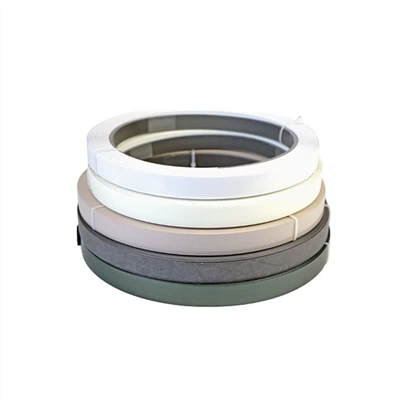

Hey there! I'm a supplier of laser edgeband, and today I wanna talk about the disadvantages of laser edgeband. While laser edgeband has a bunch of great features that make it popular in the market, it's not all sunshine and rainbows. There are some drawbacks that we need to be aware of.
High Initial Investment
One of the biggest cons of laser edgeband is the high initial investment. To work with laser edgeband, you need a Laser Edge Banding Machine. These machines are pretty expensive. They're not like your regular edge - banding machines. The technology behind laser edgebanding is more advanced, and that means the equipment comes with a hefty price tag.
For small - scale woodworking shops or startups, this can be a real deal - breaker. Buying a laser edge - banding machine might eat up a large portion of their budget, leaving less money for other important aspects of the business, like raw materials or hiring skilled workers. And it's not just the cost of the machine itself. You also need to factor in the cost of installation, training your staff to use the machine properly, and regular maintenance. All these costs add up, making it a significant financial burden for many businesses.
Limited Material Compatibility
Laser edgeband doesn't play well with all materials. It's mainly designed to work with specific types of substrates. For example, if you're using Brushed Aluminum Edge Banding, the laser edgeband might not adhere as well as you'd like. The surface properties of brushed aluminum are different from the typical wood - based substrates that laser edgeband is optimized for.
The same goes for Plywood ABS Edging. The chemical composition and surface texture of ABS can cause issues with the laser - bonding process. This limited material compatibility restricts the range of products you can make. You might have a great design in mind that involves using different materials, but the laser edgeband might not be able to bond them effectively. This can be frustrating for designers and manufacturers who want to experiment with different materials to create unique products.
Sensitivity to Environmental Conditions
Laser edgebanding is sensitive to environmental conditions. Temperature and humidity can have a big impact on the bonding process. If the temperature is too low, the laser - activated adhesive might not cure properly. This can lead to weak bonds between the edgeband and the substrate. On the other hand, if the humidity is too high, it can affect the quality of the adhesive, causing it to become sticky or not adhere evenly.
In regions with extreme weather conditions, this can be a major problem. For example, in areas with very cold winters or high - humidity summers, it can be challenging to maintain the optimal environmental conditions for laser edgebanding. You might need to invest in climate - control systems to keep the temperature and humidity within the right range. This adds another layer of cost and complexity to the production process.
Maintenance and Technical Support
Maintaining a laser edge - banding machine is no walk in the park. These machines are complex pieces of equipment, and they require regular maintenance to keep them running smoothly. You need to clean the laser components, check the alignment of the machine, and replace parts when necessary. If you don't perform regular maintenance, the machine's performance can decline, and you might start getting inconsistent results.
Another issue is finding reliable technical support. Since laser edge - banding technology is relatively new, not all technicians are familiar with it. If something goes wrong with your machine, it can be difficult to find someone who can fix it quickly. This can lead to downtime in your production process, which means lost revenue and delays in fulfilling orders.
Cost of Edgeband Material
The cost of laser edgeband material itself is also relatively high compared to traditional edgeband materials. The special adhesive and manufacturing process used in laser edgebanding contribute to its higher price. For businesses that are trying to keep their costs down, this can be a significant drawback.
If you're a furniture manufacturer, for example, and you're competing in a price - sensitive market, the higher cost of laser edgeband can make your products less competitive. You might have to either absorb the cost, which will cut into your profit margins, or pass it on to the customers, which could make your products less attractive.
Learning Curve
Using laser edgebanding technology requires a certain level of skill and knowledge. There's a learning curve involved, especially for workers who are used to traditional edge - banding methods. The laser - bonding process is different from the conventional glue - based methods, and it takes time for workers to get used to it.
Training your staff to use the laser edge - banding machine properly can be time - consuming and expensive. You need to invest in training programs to ensure that your workers understand how to operate the machine, set the right parameters, and troubleshoot any issues that might arise. If your workers don't have the right skills, you might end up with a lot of defective products, which can waste materials and increase costs.
Limited Color and Design Options
Compared to traditional edgeband materials, laser edgeband has more limited color and design options. The manufacturing process of laser edgeband is more complex, and it's not as easy to produce a wide variety of colors and patterns. This can be a problem for designers who want to create unique and eye - catching products.
If you're in the furniture or cabinet - making industry, your customers might have specific color and design requirements. With the limited options available in laser edgeband, you might not be able to meet all their needs. This can lead to lost business opportunities and customer dissatisfaction.
Conclusion
As a supplier of laser edgeband, I know that it has some amazing advantages, like strong bonds, a seamless finish, and a more environmentally friendly process. But it's important to be aware of the disadvantages too. The high initial investment, limited material compatibility, sensitivity to environmental conditions, maintenance requirements, high material cost, learning curve, and limited color and design options are all factors that need to be considered.
If you're thinking about using laser edgeband in your business, make sure you weigh the pros and cons carefully. Consider your budget, the types of products you want to make, and your production environment. If you have any questions or want to discuss how laser edgeband might work for your specific needs, don't hesitate to reach out. We're here to help you make the best decision for your business. Let's have a chat and see if laser edgeband is the right fit for you!


References
- Industry reports on edge - banding technologies
- Manufacturer's documentation for laser edge - banding machines
- Interviews with woodworking professionals and designers