
What is the adhesion mechanism of laser edgeband?
As a leading supplier of laser edgeband, I've been deeply involved in the industry, witnessing firsthand the remarkable advancements and the growing demand for high - quality edgebanding solutions. Laser edgeband has revolutionized the furniture manufacturing and woodworking industries, offering a seamless and durable finish. But what exactly is the adhesion mechanism behind this innovative product? Let's delve into the details.
The Basics of Laser Edgeband
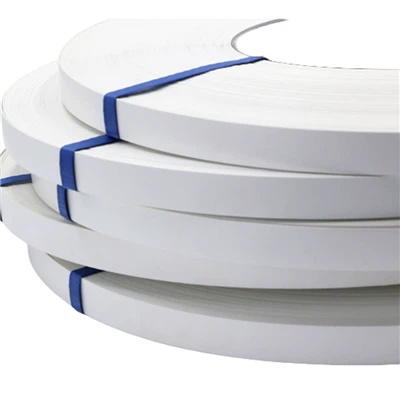
Laser edgeband is a type of edgebanding material that uses a special laser - activated adhesive technology. Unlike traditional edgebanding methods that rely on hot - melt adhesives or other chemical bonding agents, laser edgeband creates a strong bond through a physical and chemical reaction triggered by laser energy.


The laser edgeband typically consists of a decorative layer, a carrier layer, and a laser - activatable adhesive layer. The decorative layer provides the aesthetic appeal, which can mimic the look of wood, stone, or other materials. The carrier layer gives the edgeband its structure and stability, while the adhesive layer is the key to the bonding process.
The Adhesion Process
The adhesion process of laser edgeband begins with the preparation of the substrate, which is usually a piece of furniture board or panel. The substrate surface needs to be clean, dry, and free of any contaminants such as dust, grease, or oil. This ensures that the adhesive can form a strong bond with the substrate.
Once the substrate is prepared, the laser edgeband is fed into a laser edgebanding machine. The machine uses a high - powered laser to heat and activate the adhesive layer on the edgeband. The laser energy causes the adhesive to melt and flow, creating a chemical reaction that bonds the edgeband to the substrate.
During the bonding process, the edgeband is pressed firmly against the substrate using pressure rollers. This pressure helps to ensure that the adhesive spreads evenly and forms a strong bond. The entire process is fast and efficient, allowing for high - volume production in furniture manufacturing.
Chemical and Physical Aspects of Adhesion
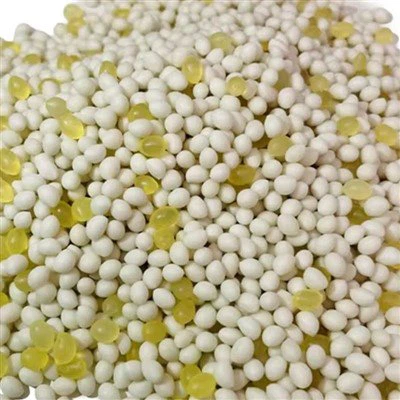
The adhesion mechanism of laser edgeband is based on both chemical and physical interactions. Chemically, the laser - activatable adhesive contains special polymers that undergo a cross - linking reaction when exposed to laser energy. This cross - linking creates a three - dimensional network of molecules that provides a strong and durable bond.
Physically, the melted adhesive fills the microscopic pores and irregularities on the substrate surface, creating a mechanical interlock. This mechanical interlock, combined with the chemical bond, results in a very strong adhesion between the edgeband and the substrate.
The chemical composition of the adhesive is carefully formulated to ensure optimal adhesion properties. Different types of polymers and additives are used to achieve the desired bonding strength, flexibility, and resistance to environmental factors such as moisture and heat.
Advantages of Laser Edgeband Adhesion
The adhesion mechanism of laser edgeband offers several advantages over traditional edgebanding methods. Firstly, it provides a much stronger and more durable bond. The cross - linking reaction in the adhesive creates a bond that is resistant to peeling, chipping, and delamination, even under harsh conditions.
Secondly, laser edgebanding is a cleaner and more environmentally friendly process. Since it does not rely on solvents or other volatile chemicals, it produces less waste and emissions. This makes it a more sustainable option for furniture manufacturers.
Thirdly, the laser edgebanding process is highly precise and efficient. It allows for a seamless finish, with no visible seams or gaps between the edgeband and the substrate. This results in a high - quality appearance that enhances the overall aesthetic of the furniture.
Applications of Laser Edgeband
Laser edgeband is widely used in the furniture manufacturing industry for a variety of applications. It can be used to edge tables, cabinets, wardrobes, and other furniture pieces. The high - quality adhesion and aesthetic appeal make it a popular choice for both residential and commercial furniture.
In addition to furniture, laser edgeband is also used in the interior design and construction industries. It can be used to finish the edges of wall panels, countertops, and other architectural elements. The versatility of laser edgeband makes it a valuable product in many different sectors.
Our Product Range
As a laser edgeband supplier, we offer a wide range of products to meet the diverse needs of our customers. We have Plywood PVC Edge Banding, which combines the durability of plywood with the flexibility and aesthetic appeal of PVC. This type of edgeband is suitable for a variety of applications, from kitchen cabinets to office furniture.
Our Birch Veneer Edging provides a natural and elegant look. Birch veneer is known for its beautiful grain pattern and high - quality finish. It is a popular choice for high - end furniture and interior design projects.
We also offer Brushed Aluminum Edge Banding, which adds a modern and industrial touch to furniture and architectural elements. The brushed finish gives the edgeband a unique and sophisticated appearance.
Contact Us for Procurement
If you are in the market for high - quality laser edgeband, we invite you to contact us for procurement. Our team of experts can provide you with detailed information about our products, including specifications, colors, and pricing. We are committed to providing the best products and services to our customers, and we look forward to working with you on your next project.
References
- Smith, J. (2020). Advances in Edgebanding Technology. Journal of Furniture Manufacturing, 15(2), 45 - 52.
- Johnson, A. (2019). The Chemistry of Adhesives in Woodworking. Wood Science and Technology, 22(3), 67 - 74.
- Brown, C. (2018). Laser - Activated Adhesion: A New Era in Edgebanding. International Journal of Furniture Design, 10(1), 12 - 19.