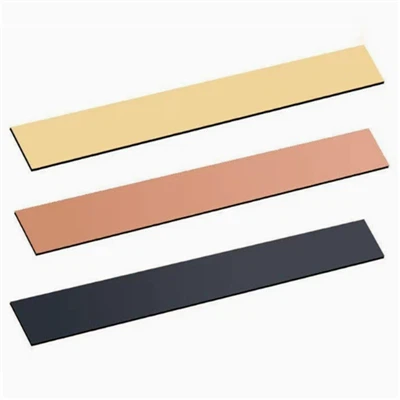

Hey there! I'm an edge banding supplier, and today I'm super stoked to chat about the edge banding effect on different wood types. Edge banding is like the finishing touch that can really transform a piece of wood, making it look and perform better. So, let's dive right in!
Softwoods
Softwoods, like pine and cedar, are popular choices for many woodworking projects. They're relatively easy to work with, but they do have some unique characteristics that affect how edge banding works on them.
Pine, for example, has a soft and porous texture. When you apply edge banding to pine, you need to make sure the surface is properly prepared. Sanding the edge smooth is crucial to ensure good adhesion. One of the great things about pine is that it takes well to different types of edge banding. You can use Thick Melamine Edge Banding for a durable and cost - effective option. The melamine gives a smooth and uniform finish that can protect the pine edge from wear and tear.
Cedar, on the other hand, has a distinct aroma and natural resistance to decay. But it also has a more open grain structure. When using edge banding on cedar, you might want to consider Real Wood Edge Banding. It can blend in seamlessly with the cedar's natural look, enhancing its beauty. However, you need to be careful with the adhesive. Cedar contains natural oils that can sometimes interfere with the bonding process, so using a high - quality adhesive is a must.
Hardwoods
Hardwoods, such as oak, maple, and walnut, are known for their strength and beauty. Each of these woods has its own personality when it comes to edge banding.


Oak is a very dense and strong hardwood. It has a prominent grain pattern that can add a lot of character to a project. When edge banding oak, you can choose between different types of edge banding based on your desired look. If you want a more modern and sleek look, Thick Melamine Edge Banding can be a great choice. It provides a smooth surface that can complement the oak's natural grain. But if you prefer a more traditional and natural look, Real Wood Edge Banding in a matching oak species can really make the piece stand out.
Maple is a lighter - colored hardwood with a fine and even grain. It's often used in furniture making because of its smooth surface. Edge banding on maple is relatively straightforward. You can use either melamine or real wood edge banding, depending on your style. Melamine edge banding can give a clean and contemporary look, while real wood edge banding can add a touch of warmth and authenticity.
Walnut is a rich and dark - colored hardwood that is highly prized for its beauty. When edge banding walnut, real wood edge banding is often the top choice. It can match the color and grain of the walnut perfectly, creating a seamless look. However, walnut can be a bit more expensive, so you need to factor that into your budget.
Engineered Woods
Engineered woods, like plywood and MDF (Medium - Density Fiberboard), are also commonly used in woodworking. They have their own set of considerations when it comes to edge banding.
Plywood is made up of multiple layers of wood veneer glued together. It has good strength and stability. When edge banding plywood, you need to make sure the edges are smooth and free of splinters. You can use Thick Melamine Edge Banding to protect the edges and give a finished look. The thickness of the edge banding can vary depending on the application. For a more heavy - duty use, a thicker edge banding might be required.
MDF is a man - made wood product that is made from wood fibers and resin. It has a smooth and uniform surface, which makes it easy to edge band. You can use a variety of edge banding materials on MDF, including melamine and real wood. However, MDF is more prone to moisture damage, so it's important to choose an edge banding that can provide good protection against moisture. V Shaped Weatherstrip can be a great option for MDF, as it can help seal the edges and prevent moisture from seeping in.
The Importance of Edge Banding
Edge banding isn't just about making the wood look good. It also has some practical benefits. First of all, it protects the edges of the wood from damage. When you have a piece of wood with exposed edges, it's more likely to get chipped, scratched, or damaged over time. Edge banding provides a barrier that can prevent these issues.
Secondly, edge banding can improve the overall durability of the wood. It can help prevent the wood from warping or splitting at the edges. This is especially important for furniture and cabinetry that are subject to regular use.
Finally, edge banding can enhance the aesthetic appeal of the wood. It can give a more professional and finished look to your woodworking projects. Whether you're making a simple bookshelf or a high - end piece of furniture, the right edge banding can make a big difference.
Choosing the Right Edge Banding
When choosing edge banding for different wood types, there are a few things to keep in mind. First, consider the look you want to achieve. If you want a natural and rustic look, real wood edge banding is a great option. If you prefer a more modern and sleek look, melamine edge banding might be more suitable.
Secondly, think about the durability requirements. If the wood will be used in a high - traffic area or exposed to moisture, you need to choose an edge banding that can withstand these conditions.
Finally, consider the cost. Real wood edge banding is generally more expensive than melamine edge banding, so you need to balance your budget with your desired look and durability.
Wrapping It Up
So, there you have it! The edge banding effect on different wood types can vary quite a bit. Whether you're working with softwoods, hardwoods, or engineered woods, there's an edge banding solution that can meet your needs. As an edge banding supplier, I'm here to help you find the perfect edge banding for your project. If you're interested in learning more or making a purchase, feel free to reach out and start a conversation. We can discuss your specific requirements and find the best edge banding options for you.
References
- Woodworking magazines and online resources on wood types and edge banding techniques.
- Manufacturer's guidelines for different edge banding products.