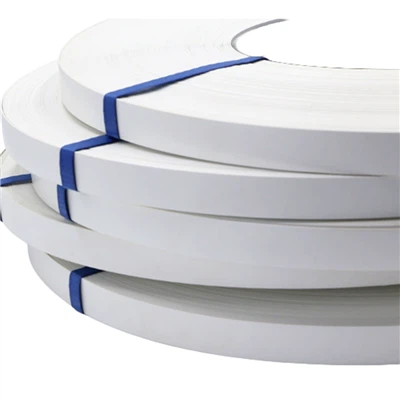

Removing ABS edge strips can be a task that requires careful consideration and the right approach. As a supplier of ABS edge strips, I understand the various scenarios where one might need to remove these strips, whether it's for replacement, repair, or a change in design. In this blog, I'll share some effective methods for removing ABS edge strips and also touch on related products we offer.
Why Remove ABS Edge Strips?
There are several reasons why you might want to remove ABS edge strips. Over time, these strips can become damaged, discolored, or simply outdated. If you're looking to update the look of your furniture or cabinets, removing the old edge strips and replacing them with a new style can give a fresh and modern appearance. Additionally, in cases where the edge strip has been installed incorrectly or has come loose, removal and re - installation may be necessary.


Tools Required
Before you start removing the ABS edge strips, it's important to gather the right tools. Here are some commonly used tools for this task:
- Heat Gun: A heat gun is one of the most effective tools for removing ABS edge strips. By applying heat to the strip, the adhesive holding it in place softens, making it easier to peel off.
- Putty Knife or Scraper: A putty knife or a scraper can be used to gently lift the edge of the ABS strip once the adhesive has been softened. Make sure the blade is sharp but not too aggressive to avoid damaging the surface beneath.
- Sanding Block: After removing the edge strip, you may need to sand the surface to remove any remaining adhesive or rough edges. A sanding block with medium - grit sandpaper is usually sufficient.
Step - by - Step Removal Process
- Prepare the Area: First, clean the area around the ABS edge strip to remove any dust or debris. This will make it easier to see what you're doing and prevent any particles from getting under the strip during removal.
- Apply Heat: Set your heat gun to a medium temperature and hold it about 2 - 3 inches away from the ABS edge strip. Move the heat gun back and forth along the length of the strip, evenly heating the adhesive. Be careful not to overheat the strip or the surface beneath it, as this can cause damage.
- Lift the Edge: Once the adhesive has softened, use a putty knife or scraper to gently lift the edge of the ABS strip. Start at one end and work your way along the length of the strip. If the strip doesn't lift easily, apply more heat to the area.
- Peel Off the Strip: As you lift the edge, slowly peel the ABS strip away from the surface. Try to keep the strip as intact as possible, as this can make it easier to dispose of or reuse.
- Remove Adhesive Residue: After removing the strip, there may be some adhesive residue left on the surface. You can use a solvent or adhesive remover to clean the residue. Apply the solvent to a cloth and gently rub the surface until the residue is removed. Then, use a clean cloth to wipe away the solvent.
- Sand the Surface: If there are any rough edges or bumps on the surface, use a sanding block to smooth them out. Sand in the direction of the grain to avoid scratching the surface.
Related Products
As an ABS edge strip supplier, we also offer a range of other edge banding products that you might find useful. For example, our Laser Edgeband is a high - quality option that provides a seamless and durable finish. It's ideal for modern furniture and cabinet designs.
Our PVC Cabinet Edge Trim is another popular choice. PVC edge trim is known for its flexibility and resistance to moisture, making it suitable for kitchen and bathroom cabinets.
If you're looking for a thicker and more robust option, our Thick Melamine Edge Banding is a great solution. It offers excellent durability and a wide range of colors and patterns to choose from.
Considerations
- Safety First: When using a heat gun, always wear protective gloves and goggles to prevent burns. Make sure to work in a well - ventilated area, especially when using solvents or adhesive removers.
- Surface Protection: Be careful not to damage the surface beneath the ABS edge strip. If you're working on a delicate surface, test the heat gun and removal method on a small, inconspicuous area first.
- Disposal: Properly dispose of the removed ABS edge strips and any used solvents or adhesive removers according to local regulations.
Conclusion
Removing ABS edge strips can be a straightforward process if you have the right tools and follow the correct steps. Whether you're looking to update your furniture or make repairs, taking the time to remove the edge strips properly will ensure a smooth and successful project.
If you're interested in purchasing ABS edge strips or any of our other edge banding products, we'd be more than happy to assist you. Contact us to discuss your requirements and start your next project with high - quality edge banding solutions.
References
- DIY Furniture Repair Guides
- Edge Banding Industry Standards and Best Practices