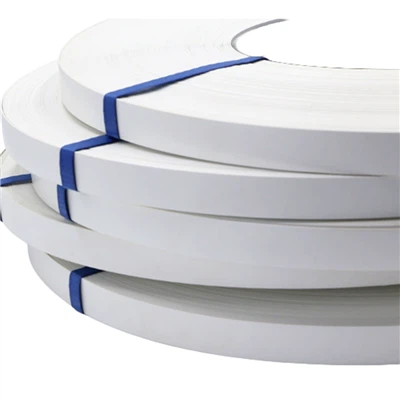

Removing white PVC edge banding without damaging the furniture is a task that requires patience, the right tools, and a good understanding of the materials involved. As a supplier of white PVC edge banding, I've seen firsthand the importance of proper installation and removal. In this blog, I'll share some effective methods to help you remove white PVC edge banding without harming your furniture.


Understanding White PVC Edge Banding
White PVC edge banding is a popular choice for furniture finishing due to its affordability, durability, and aesthetic appeal. It is commonly used to cover the exposed edges of furniture, providing a clean and professional look. However, there may come a time when you need to remove the edge banding, whether it's for repair, replacement, or a change in style.
Tools You'll Need
Before you start the removal process, gather the following tools:
- Heat gun: A heat gun is essential for softening the adhesive that holds the edge banding in place.
- Putty knife or scraper: A putty knife or scraper can be used to gently pry the edge banding away from the furniture.
- Fine-grit sandpaper: Sandpaper can be used to smooth the surface of the furniture after the edge banding has been removed.
- Solvent: A solvent can be used to remove any remaining adhesive residue.
Step-by-Step Removal Process
Step 1: Prepare the Work Area
Before you begin, make sure the work area is clean and well-ventilated. Cover the surrounding area with a drop cloth to protect it from any debris or adhesive.
Step 2: Heat the Edge Banding
Use a heat gun to apply heat to the edge banding. Hold the heat gun about 2-3 inches away from the edge banding and move it back and forth evenly. The heat will soften the adhesive, making it easier to remove the edge banding.
Step 3: Pry the Edge Banding
Once the edge banding is heated, use a putty knife or scraper to gently pry the edge banding away from the furniture. Start at one end of the edge banding and work your way along the length of the edge. Be careful not to apply too much pressure, as this could damage the furniture.
Step 4: Remove the Edge Banding
As you pry the edge banding away from the furniture, use your fingers to pull it off. If the edge banding is stubborn, you may need to apply more heat and continue prying.
Step 5: Remove the Adhesive Residue
After the edge banding has been removed, there may be some adhesive residue left on the furniture. Use a solvent to remove the residue. Apply the solvent to a clean cloth and rub it over the adhesive residue. Be careful not to use too much solvent, as this could damage the furniture.
Step 6: Sand the Surface
Once the adhesive residue has been removed, use fine-grit sandpaper to smooth the surface of the furniture. This will help to remove any rough edges or scratches.
Tips for a Successful Removal
- Use a heat gun with a temperature control to avoid overheating the edge banding or the furniture.
- Work slowly and carefully to avoid damaging the furniture.
- If the edge banding is difficult to remove, try using a hair dryer instead of a heat gun.
- Use a solvent that is safe for the type of furniture you are working with.
- Wear gloves and eye protection to protect yourself from the heat and the solvent.
Alternative Edge Banding Options
If you're looking for a different look or a more durable option, consider these alternative edge banding materials:
- Metallic Edge Banding: Metallic edge banding adds a touch of elegance and sophistication to your furniture. It is available in a variety of colors and finishes, including gold, silver, and copper.
- Laser Edgeband: Laser edgeband is a high-tech alternative to traditional edge banding. It uses a laser to bond the edge banding to the furniture, creating a seamless and durable finish.
- Plywood ABS Edging: Plywood ABS edging is a strong and durable option for furniture edges. It is made from a combination of plywood and ABS plastic, providing a high level of protection and a smooth finish.
Contact Us for Your Edge Banding Needs
As a leading supplier of white PVC edge banding and other edge banding materials, we are committed to providing our customers with high-quality products and excellent customer service. If you have any questions or need assistance with your edge banding project, please don't hesitate to contact us. We look forward to working with you!
References
- "How to Remove PVC Edge Banding." DIY Furniture Guide.
- "Edge Banding: A Comprehensive Guide." Woodworking Network.
- "The Ultimate Guide to Edge Banding." Furniture World Magazine.