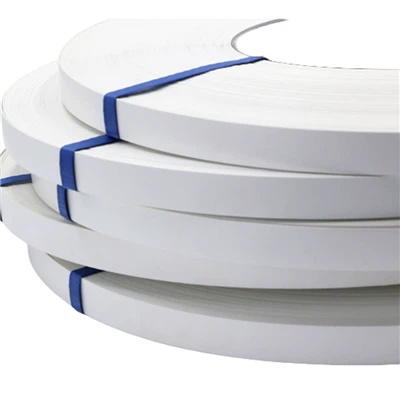

As a supplier of Plywood ABS Edging, I've witnessed firsthand the intricate dance between this versatile product and other finishing materials. Plywood ABS Edging is a popular choice in the woodworking and furniture industries due to its durability, flexibility, and aesthetic appeal. In this blog, I'll explore how Plywood ABS Edging interacts with various finishing materials, offering insights into the best practices for creating stunning and long - lasting finishes.
Interaction with Paint
Paint is one of the most common finishing materials used in conjunction with Plywood ABS Edging. When applying paint to a surface with Plywood ABS Edging, it's important to ensure proper adhesion. The smooth surface of ABS edging can sometimes pose a challenge for paint adhesion, but with the right preparation, excellent results can be achieved.
First, the ABS edging should be thoroughly cleaned to remove any dust, grease, or contaminants. A mild detergent and water solution can be used for this purpose. After cleaning, the surface can be lightly sanded to create a rough texture that helps the paint adhere better. It's crucial to use a primer specifically designed for plastic or ABS materials. This primer creates a bonding layer between the ABS edging and the paint, ensuring a long - lasting finish.


Once the primer is dry, a high - quality paint can be applied. Acrylic paints are often a good choice as they offer good coverage, durability, and a wide range of color options. When painting, it's important to apply thin, even coats to avoid drips and runs. Multiple coats may be required to achieve the desired color and finish.
Interaction with Veneers
Veneers add a touch of natural beauty to furniture and woodworking projects. When using Plywood ABS Edging in combination with veneers, the goal is to create a seamless transition between the two materials.
One of the key considerations is the color and grain pattern. The Plywood ABS Edging should be selected to match or complement the veneer. For example, if you're using a Walnut Veneer Edging, a dark - colored ABS edging with a similar grain pattern can be used to create a cohesive look.
The installation process is also important. When applying the veneer, it should be carefully aligned with the ABS edging. The edges of the veneer should be trimmed precisely to fit against the edging. Adhesive is used to bond both the veneer and the ABS edging to the substrate. A high - quality wood glue is typically used for veneers, while a specialized adhesive for ABS materials is used for the edging.
Interaction with Laminate
Laminate is a popular choice for countertops, cabinets, and other furniture surfaces due to its durability and low cost. Plywood ABS Edging can be used to finish the edges of laminate surfaces, providing a clean and professional look.
When working with laminate and Plywood ABS Edging, it's important to ensure a proper fit. The ABS edging should be cut to the correct length and shape to match the laminate. A miter saw can be used to create precise cuts at the corners.
The bonding process is crucial. A strong adhesive is used to attach the ABS edging to the laminate. The adhesive should be applied evenly to both the back of the edging and the edge of the laminate. Pressure should be applied to ensure a tight bond. After the adhesive has dried, any excess can be trimmed off using a sharp knife.
Interaction with Laser Edgeband
Laser Edgeband is a high - tech finishing material that offers a seamless and high - gloss finish. When combining Plywood ABS Edging with Laser Edgeband, the two materials can create a unique and modern look.
The key to a successful combination is the alignment and bonding. The Laser Edgeband should be precisely aligned with the Plywood ABS Edging. Specialized equipment may be required for the installation of Laser Edgeband, as it often involves a laser - activated adhesive.
The aesthetic of the two materials can be enhanced by choosing complementary colors and finishes. For example, a matte - finish Plywood ABS Edging can be paired with a high - gloss Laser Edgeband to create a contrast that adds visual interest.
Interaction with L Shape Weatherstrip
L Shape Weatherstrip is used to provide a seal and protection against moisture, dust, and drafts. When used in combination with Plywood ABS Edging, it can enhance the functionality and durability of the finished product.
The L Shape Weatherstrip can be installed along the edges of the Plywood ABS Edging. It should be cut to the correct length and carefully fitted into place. The weatherstrip is typically held in place by adhesive or mechanical fasteners.
This combination is particularly useful in applications where the finished product is exposed to the elements, such as outdoor furniture or cabinets in a damp environment. The Plywood ABS Edging provides a decorative finish, while the L Shape Weatherstrip offers protection.
Benefits of Combining Plywood ABS Edging with Other Finishing Materials
- Enhanced Aesthetics: By combining different finishing materials, you can create a more visually appealing and unique look. For example, the combination of veneer and ABS edging can give a piece of furniture a high - end, natural look.
- Increased Durability: Different materials offer different types of protection. For instance, the combination of ABS edging and weatherstrip can protect the edges of a piece from moisture and damage, increasing its lifespan.
- Versatility: The ability to combine Plywood ABS Edging with various finishing materials allows for a wide range of design options. Whether you're going for a modern, traditional, or rustic look, there are combinations that can meet your needs.
Best Practices for Combining Finishing Materials
- Test Before Installation: Before applying any finishing materials to a large project, it's a good idea to test the combination on a small sample. This allows you to see how the materials interact and make any necessary adjustments.
- Follow Manufacturer's Instructions: Each finishing material comes with its own set of instructions for installation and use. It's important to follow these instructions carefully to ensure a successful outcome.
- Pay Attention to Details: The success of a combination often depends on the details. From precise cutting to proper alignment, taking the time to get the details right can make a big difference in the final result.
Conclusion
Plywood ABS Edging is a versatile and valuable finishing material that can interact effectively with a wide range of other finishing materials. Whether you're working on a small DIY project or a large - scale furniture production, understanding how these materials interact can help you create beautiful, durable, and functional finished products.
If you're interested in purchasing Plywood ABS Edging or learning more about how it can be combined with other finishing materials, feel free to reach out to us for a consultation. We're here to help you make the best choices for your projects.
References
- Woodworking Magazine. "Finishing Techniques for Plywood and Edging Materials."
- Furniture Manufacturing Handbook. "Combining Different Finishing Materials."
- ABS Edging Product Manuals.